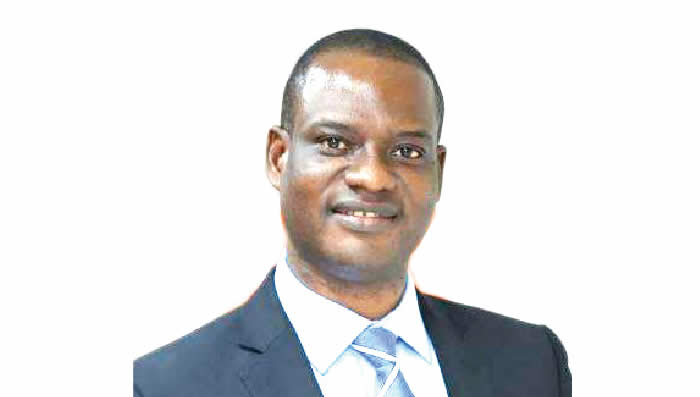
The Chairman of the Presidential Committee on Fiscal Policy and Tax Reforms, Taiwo Oyedele, has signaled a willingness to retain Nigeria’s current Value Added Tax (VAT) structure amid mounting resistance to proposed reforms. Speaking on Sunday during a live interview on Arise TV, Oyedele addressed concerns surrounding the tax reform bills introduced by President Bola Tinubu in October 2024.
The four tax reform bills—Nigeria Tax Bill 2024, Tax Administration Bill, Nigeria Revenue Service Establishment Bill, and Joint Revenue Board Establishment Bill—aim to consolidate tax laws, streamline administration, and boost revenue generation. However, the proposed changes, particularly to VAT, have sparked significant controversy, with critics arguing the reforms favor certain regions over others.
Oyedele emphasized that while tax reform is non-negotiable for Nigeria’s development, his committee is open to compromises on specific details, including maintaining the current VAT distribution formula.
“We cannot continue with the laws of the colonial era and hope Nigeria will develop,” he stated. “This tax system is holding us back. However, if the preference is to keep the current VAT structure, we are willing to do so.”
Oyedele highlighted ongoing disputes over VAT collection, with states like Lagos and Rivers pushing for state-level control, arguing they contribute more to the VAT pool than they receive. He cautioned that allowing states to independently collect VAT could lead to chaos, as states may not respect the input-output mechanism essential for a functioning VAT system.
He explained that businesses currently remit VAT through their head offices, which are often concentrated in Lagos and Rivers, creating an imbalance in the system. For example, telecommunications companies, banks, and oil firms with headquarters in Lagos remit VAT there, even if the economic activity generating the tax occurs in other states.
“We’re saying Lagos is benefiting from calls made in Kano, Kwara, and Ekiti,” Oyedele noted. “Our proposal aims to address inequities and ensure fair distribution, but this is being misunderstood and politicized.”
Tracing the origins of VAT in Nigeria, Oyedele explained that the tax was introduced in 1993 to replace state-level sales taxes. However, the 1999 Constitution, modeled after the 1979 version, did not include VAT provisions. Despite this omission, the federal government continued to collect VAT, leading to legal disputes from states seeking control over the tax.
Oyedele warned that withdrawing the tax reform bills from the National Assembly could derail the entire process, making it difficult to reintroduce them later. “If these bills are withdrawn, consultations may be frustrated, and Nigeria will miss a significant opportunity to modernize its tax system,” he said.
As debates over the tax reform bills continue, Oyedele reiterated his committee’s commitment to addressing inequities while ensuring the system works for all stakeholders. “The details of the bills are up for grabs,” he assured, emphasizing the importance of dialogue and compromise to advance Nigeria’s fiscal policy.
The outcome of these reforms will have far-reaching implications for Nigeria’s revenue generation and economic development. For now, the government faces the challenge of balancing regional concerns with the need for a fair and efficient tax system.
