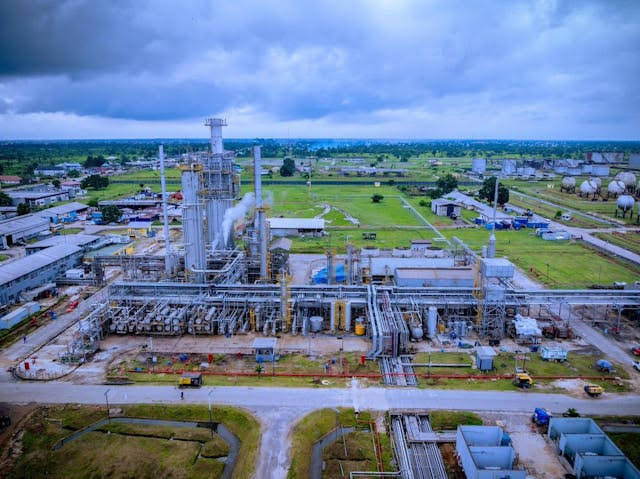
Barring any last-minute changes, marketers and retailers of petroleum products are expected to begin lifting Premium Motor Spirit (PMS), popularly known as petrol, directly from the Port Harcourt Refining Company this week.
The Publicity Secretary of the Petroleum Products Retail Outlet Owners Association of Nigeria (PETROAN), Joseph Obele, revealed this development in an exclusive interview, marking a significant shift since the refinery resumed operations in November.
Since its reactivation, the Port Harcourt refinery has exclusively supplied fuel to retail outlets owned by the Nigerian National Petroleum Company Limited (NNPCL). Obele clarified that the products currently purchased by marketers from the NNPCL are imported rather than locally refined.
However, marketers in Port Harcourt have raised concerns about the disparity in pricing between Lagos and Port Harcourt, with the NNPCL selling PMS at a higher rate in Port Harcourt due to logistics costs.
“We are requesting that the same rate NNPC is selling to our members in Lagos should be the rate they sell to us in Port Harcourt. The current price disparity is uncomfortable,” Obele said.
He highlighted that NNPC sells PMS to marketers in Lagos at ₦899 per litre, while in Port Harcourt, it is sold at ₦970 per litre. Obele expressed hope that with the refinery now operational, marketers in the Port Harcourt area could purchase directly from the facility, eliminating the logistics challenges tied to importing fuel.
“Since the refinery now has stock available, we plead with the NNPC to sell to us at the same rate they sell to Lagos marketers,” he added.
Obele confirmed that while marketers are yet to begin lifting products directly from the refinery, the process is expected to start this week. Currently, the trucks being loaded at the facility are destined for NNPC retail outlets only.
The Port Harcourt refinery resumed operations in November after several delays. The old refinery, with a 60,000 barrels-per-day capacity, is now producing naptha, which is blended to produce petrol. Rehabilitation works are still ongoing on the larger refinery with a 150,000 barrels-per-day capacity.
NNPC spokesman Olufemi Soneye confirmed that the facility is operational and continues to ramp up production. The transition to locally refined products is expected to reduce Nigeria’s reliance on fuel imports, with a focus on addressing regional pricing disparities and ensuring a more efficient supply chain.
