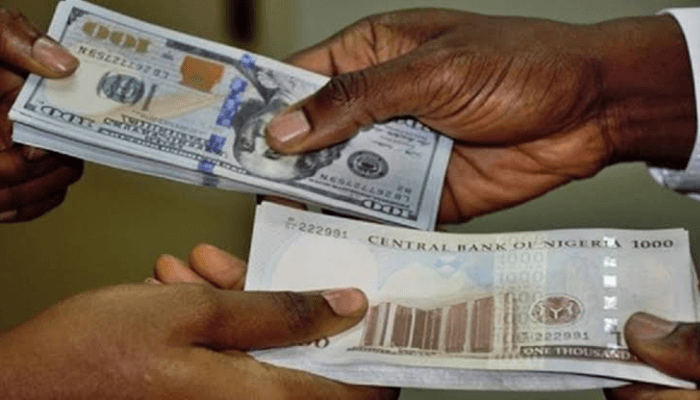
One month after the launch of Nigeria’s Electronic Foreign Exchange Matching System (EFEMS), the naira has appreciated by N125 to the dollar, signaling what analysts believe could be the start of a positive turnaround for the currency in 2025.
The Central Bank of Nigeria (CBN) reports that the naira gained 8 percent in value, with the dollar trading at N1,535 as of January 3, 2025, compared to N1,660 on December 2, 2024, when EFEMS officially went live. This improvement follows a tumultuous 2024, during which the naira depreciated sharply despite rising external reserves.
EFEMS, introduced as part of CBN reforms to unify exchange rates and enhance transparency, became operational after a two-week trial in November 2024. It was designed to facilitate seamless transactions among authorized dealers in the Nigerian Foreign Exchange Market.
CBN Governor Olayemi Cardoso emphasized that EFEMS is pivotal to restoring market confidence. “Unifying the exchange rate and clearing foreign exchange obligations have allowed businesses to plan better and invest. EFEMS builds on these reforms by enhancing market efficiency,” Cardoso stated.
Experts attribute the naira’s appreciation to both the CBN’s policies and seasonal factors. Ayodele Akinwunmi, Senior Relationship Manager at FSDH Merchant Bank, noted that the increased transparency and improved forex supply have bolstered market stability.
Similarly, Aminu Gwadabe, President of the Association of Bureaux De Change Operators of Nigeria (ABCON), called for more liquidity in the retail forex market, advocating for Bureaux De Change (BDCs) to be leveraged as tools to manage exchange rate volatility.
However, challenges remain. Muda Yusuf, CEO of the Centre for the Promotion of Private Enterprise (CPPE), cautioned against black market activities undermining progress.
Data from the CBN’s Quarterly Statistical Bulletin reveals a 32 percent drop in demand for foreign exchange for non-physical transactions in Q3 2024. Meanwhile, merchandise imports saw a 10.4 percent increase, led by the industrial sector, which consumed 53 percent of FX allocations for raw materials and machinery.
This shift reflects reduced pressure on the naira, partly due to decreased reliance on fuel imports as domestic refining capacity improves, a development highlighted by Uche Uwaleke, Director of the Institute of Capital Market Studies at Nasarawa State University.
As the naira continues its rebound, experts express confidence in its trajectory. Zeal Akaraiwe, CEO of Graeme Blaque Advisory, believes 2025 could mark a turning point for the currency, driven by macroeconomic improvements and increased foreign exchange inflows from petroleum exports.
With EFEMS fostering transparency and CBN reforms gaining traction, analysts anticipate a more stable exchange rate environment in the coming months, setting the stage for sustained economic growth and a stronger naira.
