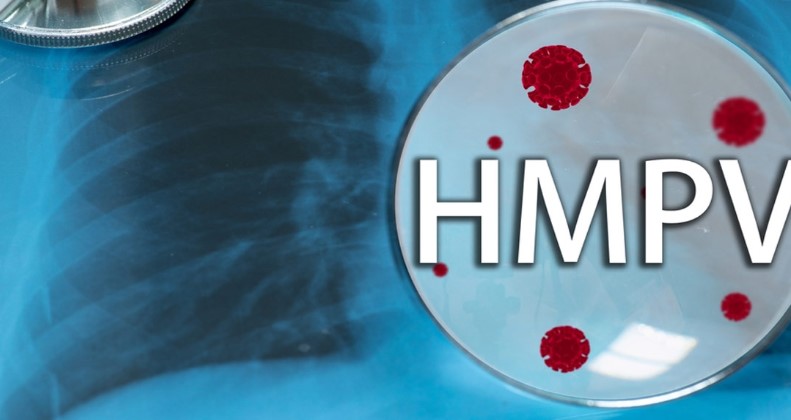
The Director of Port Health Services, Dr. Akpan Nse, has disclosed that Nigeria’s Points of Entry (PoEs) across the 36 states and the Federal Capital Territory have been placed on alert following the emergence of Human Metapneumovirus (HMPV). Lagos, as a major international hub, has been prioritized for surveillance.
Dr. Nse highlighted that the Port Health Services has initiated mass surveillance at all entry points, including airports, seaports, and land borders. “We have notified every point of entry in the country, including Lagos, Abuja, Enugu, Kano, and Port Harcourt. Lagos, being the busiest hub, requires heightened vigilance,” he said.
HMPV, a respiratory virus, can cause illnesses ranging from mild cold-like symptoms to severe respiratory infections, particularly in vulnerable groups such as young children, older adults, and individuals with weakened immune systems. There is currently no specific antiviral treatment or vaccine for the virus.
Dr. Nse emphasized the need for collaborative efforts among border officers and the public to prevent the spread of the virus, urging compliance with health screenings and quarantine protocols. “At least one quarantine center is operational in every state, with more to be activated as needed,” he added.
The Nigeria Centre for Disease Control and Prevention (NCDC) assessed the risk of HMPV in Nigeria as moderate during a January 2025 evaluation. The NCDC, in collaboration with the Federal Ministry of Health and global partners such as the WHO and CDC, is taking proactive measures, including:
• Enhancing surveillance and laboratory capacity at international airports and healthcare facilities nationwide.
• Deploying Infection Prevention and Control (IPC) materials to PoEs.
• Developing public awareness campaigns and providing training for healthcare workers on case management.
• Stockpiling essential medical supplies and personal protective equipment.
Globally, the World Health Organization (WHO) has not declared HMPV a Public Health Emergency of International Concern and advises against travel or trade restrictions. WHO recommends standard preventive measures, including regular handwashing, respiratory hygiene, and staying home when symptomatic.
Dr. Nse and the NCDC reiterated Nigeria’s commitment to safeguarding public health while ensuring minimal disruption to travel and trade activities. The NCDC will continue to monitor the situation and update protocols as needed.
