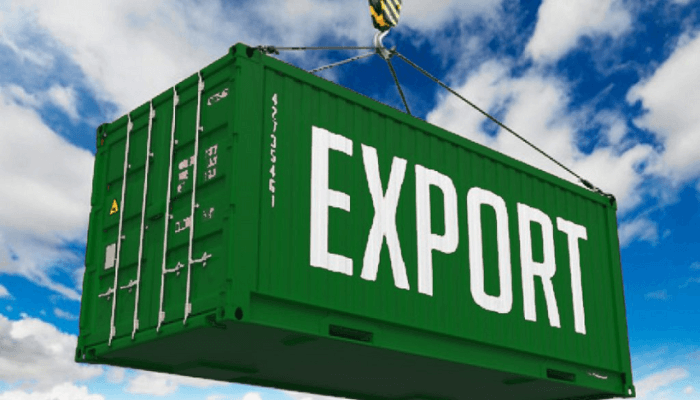
The withdrawal of Niger, Mali, and Burkina Faso from the Economic Community of West African States (ECOWAS) is poised to disrupt regional trade and significantly impact Nigeria’s export market, experts warn. The exit of these founding members has reduced ECOWAS membership from 15 to 12 countries, raising concerns about the future of economic integration in West Africa.
Established in 1975, ECOWAS aims to foster regional economic integration, primarily through the Free Trade Area (FTA) mechanism under the ECOWAS Trade Liberalisation Scheme (ETLS). This scheme facilitates the free movement of goods originating within member states by eliminating customs duties and taxes. However, the departure of Niger, Mali, and Burkina Faso could jeopardize Nigeria’s ability to export under these favorable conditions.
Odiri Erewa-Meggison, chairperson of the Manufacturers Association of Nigeria Export Promotion Group (MANEG), warned that the withdrawal would hinder Nigerian manufacturers’ access to these markets, which were previously accessible without customs duties. “Their eventual exit will lead to low export sales in the regional markets and, by extension, a reduction in foreign exchange revenue generation into Nigeria from the subregion,” she said.
Erewa-Meggison highlighted potential challenges, including the imposition of import duties by the departing states, which could make Nigerian goods less competitive. “It might become tougher for manufacturers because of the already existing high cost of production domestically in Nigeria,” she explained, adding that technical barriers to trade could further restrict market access.
The exit could also lead to informal trade and smuggling, reducing accurate data on trade volumes and values. This, coupled with decreased export opportunities, might force some manufacturers to scale down operations, lay off workers, and reduce tax contributions.
ECOWAS has not clarified whether it will impose restrictions on goods and people from the three countries, which have formed a new alliance known as the Alliance of Sahel States (AES). Obiora Madu, an export consultant and director-general of the African Centre for Supply Chain, noted that the situation remains fluid. “We have to wait to see the kind of policies they roll out and the rules that they are going to put in place,” he said.
Madu added that while the exit will disrupt the free flow of goods under ETLS, manufacturers may still find opportunities to export through other frameworks, such as the African Continental Free Trade Area (AfCFTA). “Manufacturers will continue to export goods to those countries. After all, we are exporting to other African countries that are not ECOWAS,” he stated.
Niger, Mali, and Burkina Faso have been given a grace period until July 29, 2025, to reconsider their decision. During this period, ECOWAS members and exporters are closely monitoring developments. “The exit will undoubtedly have a negative impact, but it’s premature to predict the full extent until we see their policies,” Madu said.
As ECOWAS navigates this unprecedented challenge, Nigerian manufacturers and exporters face an uncertain future, underscoring the need for strategic adaptations to mitigate potential economic losses.
