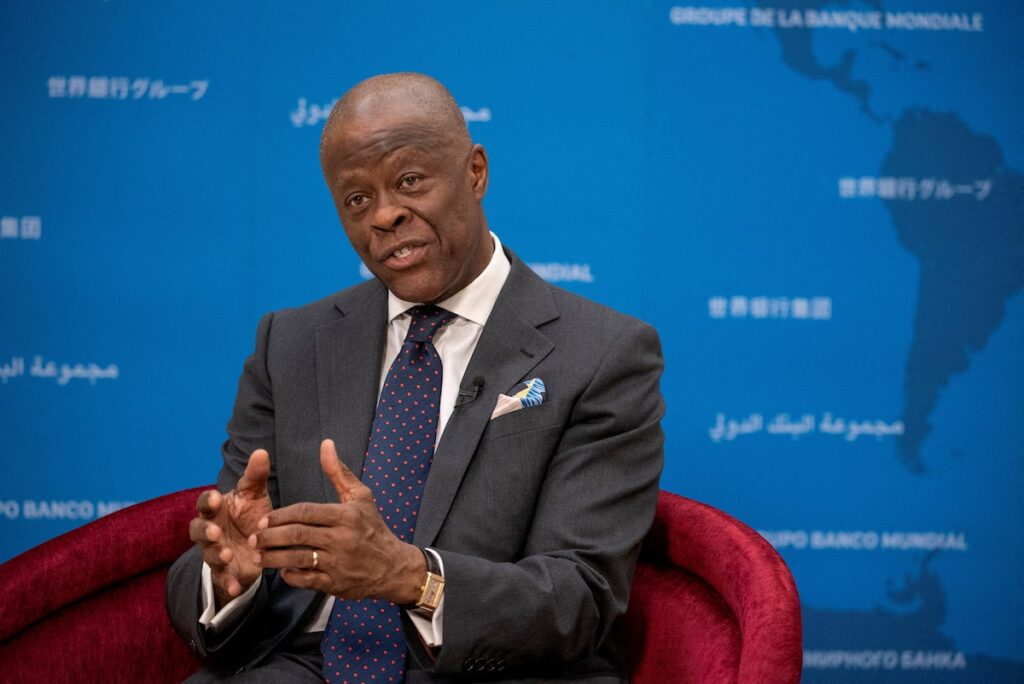
Nigeria aims to double its economic growth within the next one to two years to alleviate widespread poverty, Finance Minister and Coordinating Minister for the Economy, Wale Edun, said on Thursday during the World Economic Forum’s annual meeting.
Speaking with Reuters, Edun noted that Nigeria’s current annualized growth rate of 3.5% in the third quarter was insufficient to address the nation’s economic challenges. He stressed the need for accelerated reforms and investment to achieve significant progress.
“Nigeria is on the path to growth after a year of tough economic reforms that sent inflation soaring, but these changes should pave the way for increased investment,” Edun said.
The minister disclosed that he had engaged with global business leaders in Davos, particularly in sectors like consumer goods, financial services, food and beverages, and infrastructure, to attract investments. “It’s a steady trickle now. What we want is a stream and, at the end of the day, a flood of investment,” he added.
To foster growth and create jobs, Nigeria has shifted its focus toward encouraging private investment rather than relying on borrowing. This approach comes as the nation battles sluggish economic growth, double-digit inflation, and a heavy debt burden.
President Bola Tinubu has pledged to grow the economy by at least 6% annually, unify the exchange rate, and address insecurity. Among his major economic reforms are the removal of the costly petrol subsidy and lifting foreign exchange restrictions—policies that, while initially driving inflation, are intended to create a sustainable economic foundation.
Despite Nigeria’s high inflation rates and cost of living crisis, Edun expressed optimism about the future. “We are confident that Nigerians will soon move past this difficult period,” he said, noting the long-term benefits of the reforms.
Central Bank Governor Olayemi Cardoso reinforced this sentiment, projecting a 4.17% economic growth rate for 2025, citing the positive impacts of ongoing reforms and stabilizing inflation.
With the government targeting robust private sector involvement and maintaining its commitment to reform, Nigeria is striving to unlock its economic potential and deliver prosperity for its citizens.
