The Federal Government has announced plans to deliver 100,000 social housing units to vulnerable groups in all 774 Local Government Areas (LGAs) across the country.
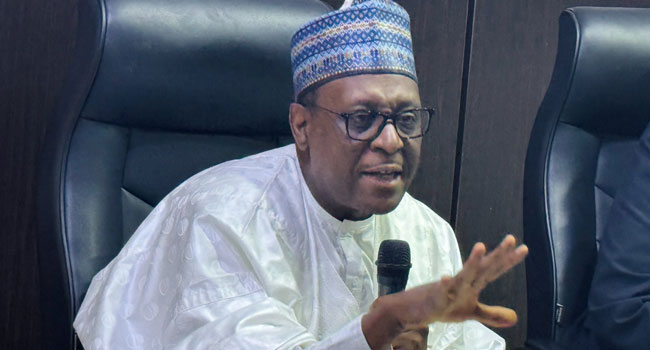
Ahmed Dangiwa, Minister of Housing and Urban Development, shared the news at the 4th Real Estate Future Forum in Riyadh, Saudi Arabia on January 29, 2025. During his presentation, Dangiwa encouraged global investors to seize the numerous opportunities within Nigeria’s growing housing sector, which he emphasized as a crucial area for business ventures.
He pointed out that Nigeria’s significant housing deficit, which stands at 28 million units, presents a substantial investment opportunity, especially for foreign investors. Dangiwa highlighted the Renewed Hope Cities and Estates Programme as a prime example of a promising initiative for investors seeking good returns in the real estate market.
Nigeria’s Housing Sector: A $2.25 Trillion Opportunity
Dangiwa noted that Nigeria’s real estate sector contributed approximately 5.2% to the nation’s GDP in 2024 and is projected to grow to a market volume of $2.25 trillion by the end of 2025. Despite this growth, he emphasized that there remains tremendous potential for investment, particularly in residential real estate.
“Nigerians need homes now more than ever,” he said, urging international stakeholders to partner with the Nigerian government to address the housing crisis.
Strategic Partnerships and Policy Innovations
Dangiwa discussed the government’s ongoing efforts to address challenges related to housing delivery, including urbanization, population growth, and land acquisition difficulties. He noted that public-private partnerships, innovative financing models, and government-led interventions are essential to tackling Nigeria’s housing deficit. Additionally, state governments are being engaged to unlock land for affordable housing projects.
The Minister stressed that housing is a fundamental driver of economic growth, social stability, and national development. He emphasized the need for a balance between affordability and profitability, noting that policies must be created to ensure that both developers and citizens benefit from the housing market.
Innovative Financing and Support for Affordable Housing
To address the affordability challenge, Dangiwa discussed the government’s commitment to providing incentives for developers through mechanisms such as bankable offtake guarantees, facilitated land access, and low-interest financing. The planned National Social Housing Fund will mobilize long-term concessional financing to ensure that homes are affordable for lower- and middle-income Nigerians.
He also mentioned that off-plan sales, bulk purchasing by cooperatives, and rent-to-own schemes are being explored as innovative models to reduce financial risks for developers while ensuring affordability for buyers.
Sustainability and Local Housing Production
Dangiwa highlighted the government’s focus on sustainability, noting that the use of energy-efficient buildings, local materials, and smart construction techniques will reduce maintenance and operational costs. The Ministry is working with international partners, such as IFC EDGE, to incorporate green building practices into Nigeria’s housing sector.
Additionally, Building Materials Manufacturing Hubs will be established in Nigeria’s six geopolitical zones to reduce reliance on imported materials, lower costs, create jobs, and promote sustainable housing solutions.
Improving Access to Mortgages and Property Transactions
The Minister addressed the challenge of high mortgage interest rates, which have made homeownership difficult for many Nigerians. In response, the government is recapitalizing the Federal Mortgage Bank of Nigeria with N500 billion to provide single-digit mortgage products.
He also discussed collaborations with the Ministry of Finance and the Nigerian Capital Market to mobilize private sector funding for housing development. The Real Estate Investment Fund aims to reduce mortgage interest rates to 12% from the current 28-30%, making homeownership more accessible for Nigerians.
Dangiwa also pointed to the role of PropTech in digitizing property transactions and enhancing transparency. The National Land Registration and Documentation Programme, in partnership with the World Bank, aims to streamline land titling and improve formalization in Nigeria’s real estate sector.
Commitment to Enabling Environment for Real Estate Growth
Dangiwa concluded by reaffirming the Nigerian government’s commitment to creating an enabling environment for real estate growth. This includes collaborating with the Nigeria Governors’ Forum to improve land access, streamline approval processes, and enhance urban planning policies. Initiatives for urban renewal and slum upgrading are also underway to improve living conditions across Nigeria.
He encouraged investors to view the challenges in the real estate sector as opportunities for innovation and collaboration, emphasizing that Nigeria’s housing sector is open for business and poised for growth under the Renewed Hope Agenda of the Tinubu Administration.
