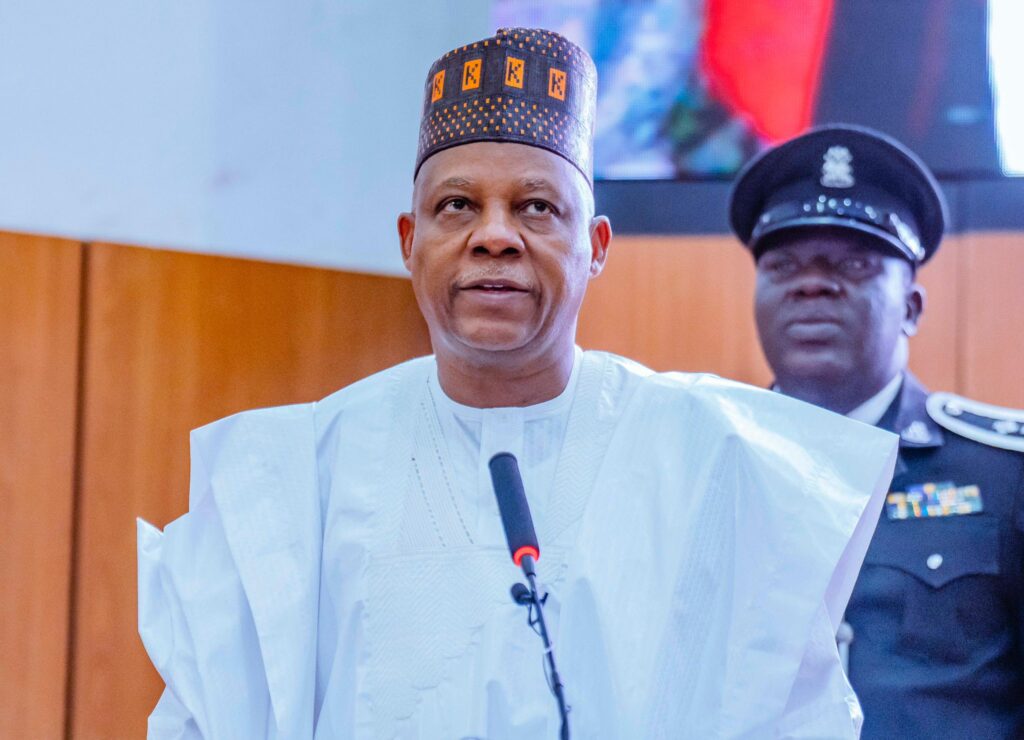
President Bola Ahmed Tinubu has reaffirmed his commitment to equipping, arming, and empowering the Nigerian military, invoking his constitutional powers to address the country’s security challenges. During the graduation ceremony for the Course 32 participants at the National Defence College (NDC), Abuja, Tinubu acknowledged the crucial role of strategic leadership in tackling Nigeria’s complex security and development issues.
Vice President Kashim Shettima, representing President Tinubu at the event, expressed concerns over the state of infrastructure at the National Defence College’s permanent site in Piwoyi, Abuja. Despite progress made by the administration, Shettima emphasized the need for continued upgrades to the facilities. The administration remains committed to completing ongoing work at the site to ensure the college’s functionality and effectiveness.
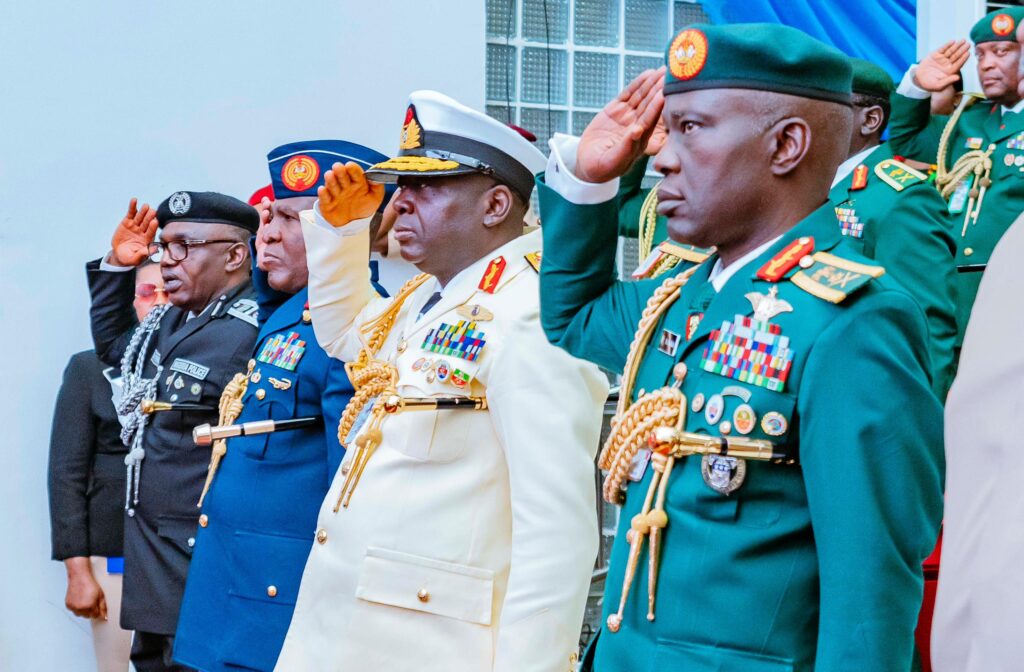
In his address, President Tinubu vowed to continue resourcing and empowering the Nigerian military, acknowledging the sacrifices and achievements of the armed forces in safeguarding the nation’s territorial integrity and the security of its citizens. “I will continue to do everything within my constitutional powers to ensure that the Nigerian military is well-resourced and fit for purpose,” he stated.
Tinubu also commended the graduates of Course 32 for their contributions to his administration’s research, particularly in providing strategic options for harnessing Nigeria’s mining industry to enhance national security and development. “We are already working with the fundamentals of your recommendations,” Tinubu noted, highlighting plans to implement the graduates’ suggestions to achieve substantial security assets and institutional reforms.
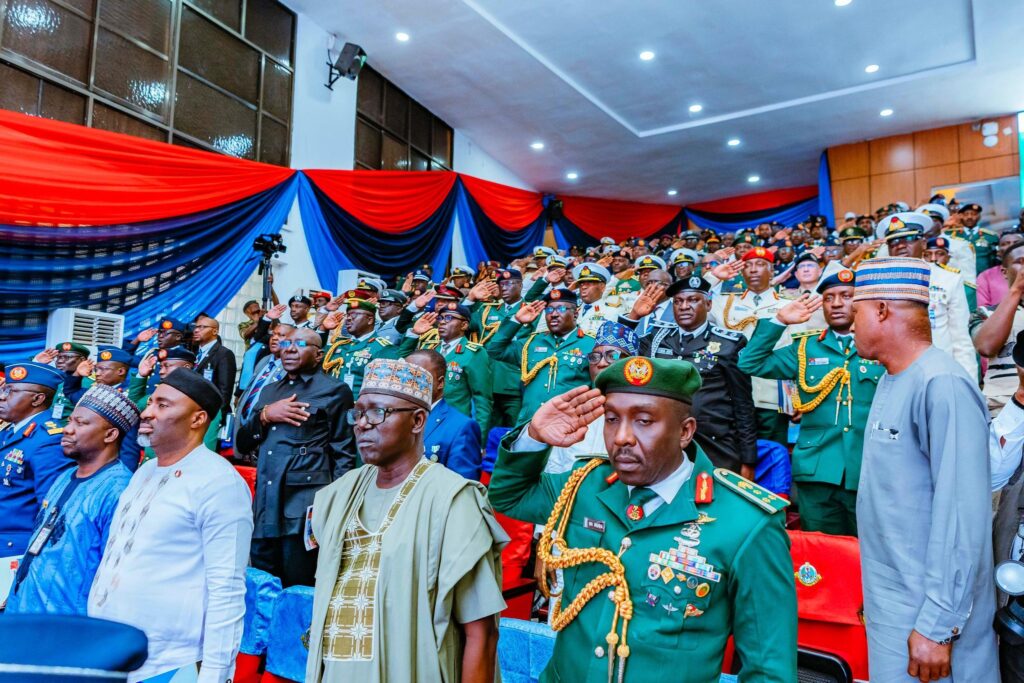
The President lauded the National Defence College’s approach to consolidating knowledge through broad thematic areas, which he believes are instrumental in finding sustainable solutions to security and development challenges in Nigeria, Africa, and beyond.
President Tinubu highlighted his administration’s accomplishments, including the implementation of a new national minimum wage, which will benefit both civilian workers and members of the armed forces. He also addressed efforts to combat crude oil theft and pipeline vandalism in the Niger Delta, tasks that have been assigned to the Defence Headquarters and other security agencies. Tinubu emphasized the importance of enhancing oil and gas production to achieve economic stability.
Furthermore, the President pledged to foster a business-friendly environment that promotes value addition in the mining sector. Collaboration with international partners is underway to harness the sector’s potential for national security and economic development.
Addressing the 111 graduates, President Tinubu urged them to uphold values of excellence, courage, patriotism, and integrity. He encouraged the graduates to apply their newly acquired skills to tackle the myriad of challenges facing Nigeria.
Rear Admiral Olumuyiwa Olotu, Commandant of the National Defence College, noted that the graduates will significantly contribute to Nigeria’s strategic leadership across various sectors. The Course 32 curriculum included subjects like research methodology, conflict and war studies, and strategic leadership, preparing participants for leadership roles in a dynamic defense and security environment.
The graduates were drawn from various national agencies, including the Nigerian armed forces, police force, Department of State Security, and several ministries. The class also included 19 international participants from countries such as India, Brazil, South Africa, and Ghana, underscoring Nigeria’s commitment to global cooperation in defense and security.
Dignitaries at the event included Minister of Defence Mohammed Badaru, Minister of Finance Wale Edun, Chief of Defence Staff General Christopher Musa, and traditional and political leaders, highlighting the significance of the occasion.
Stanley Nkwocha,
Senior Special Assistant to The President on Media & Communications,
(Office of The Vice President)