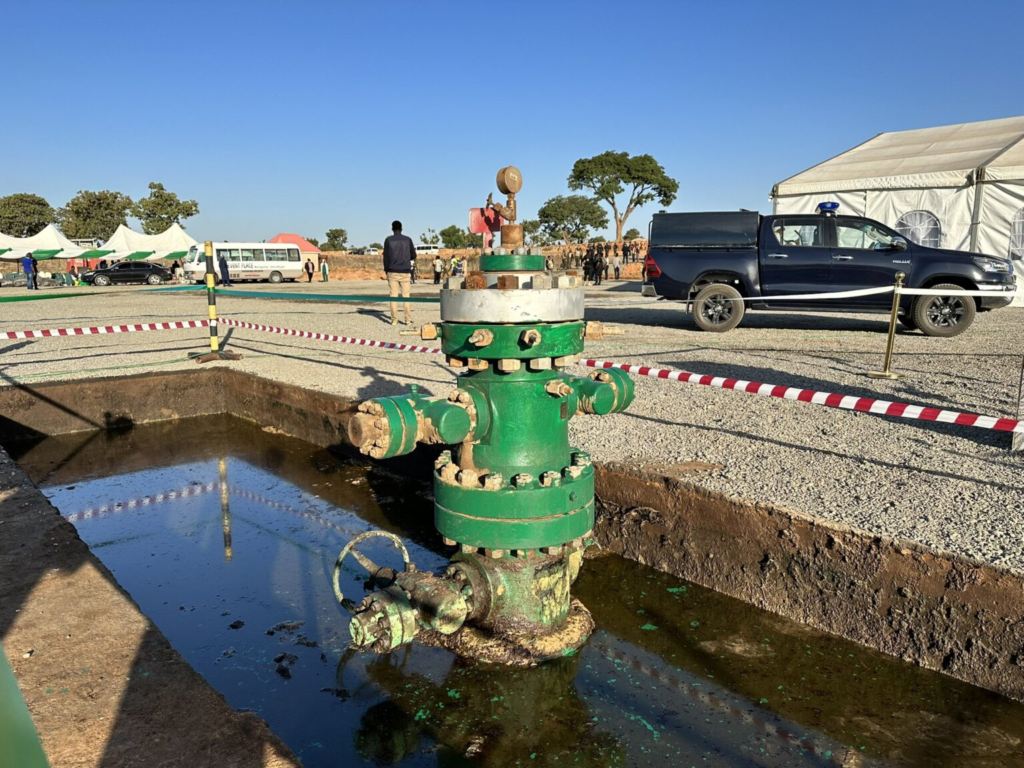
Gombe State’s Commissioner for Energy and Mineral Resources, Alhaji Sunusi Ahmad Pindiga, has provided clarity on the status of the Kolmani oil drilling project, dispelling rumours that the operation was being relocated outside the Gombe and Bauchi regions. This clarification follows concerns raised by local communities regarding the dismantling of the oil drilling rig and its potential move.
Pindiga disclosed that a joint delegation from both Gombe and Bauchi states visited the Kolmani project site to assure the host communities of the project’s continuity. In an exclusive interview, he confirmed that the concerns stemmed from reports about the rig’s dismantling. “The visit was prompted by a report from the host communities, who were concerned about the dismantling of the oil drilling rig and its possible relocation,” he said.
During the visit, Pindiga emphasized that the rig in question had completed its assigned tasks, having drilled over 10,000 meters. The small rig, now considered insufficient for the next phase, would be replaced with a larger rig to continue work on oil wells KR 2, KR 3, and KR 4. “Two fields have already been cleared, and construction is underway to support the larger rig,” he added.
The Kolmani oil field, located on the border between Bauchi and Gombe States, was inaugurated two years ago by former President Muhammadu Buhari. It marked the first oil exploration in northern Nigeria. Despite the recent expiration of its operating licence, President Bola Ahmed Tinubu has approved the issuance of critical regulatory licences, allowing the project to continue.
Pindiga further noted that two oil wells had already been completed in the Bauchi section, while three additional wells were completed in Gombe. He stated that the oil field’s development was progressing smoothly and that the region’s future oil production would play a significant role in Nigeria’s overall energy strategy.
The Federal Government has underscored its commitment to supporting the Kolmani project, which plays a crucial part in the nation’s oil and gas development strategy. Recently, the Minister of State for Petroleum Resources, Lokpobiri Heineken, highlighted that the Kolmani field’s production is integrated into Nigeria’s energy plans. “Crude oil from Kolmani is already factored into Nigeria’s production targets, and we aim to drill even more barrels in the near future,” he explained.
As Nigeria continues to ramp up oil production, the Kolmani region’s contribution to the country’s output remains pivotal. The Minister emphasized the urgency to accelerate production efforts, with Nigeria’s target of producing 1.8 million barrels daily, aiming for 2 million barrels by the year’s end.
This continued focus on Kolmani signifies Nigeria’s strategic push to diversify its oil production across different regions, bolstering the nation’s energy security and economic growth.