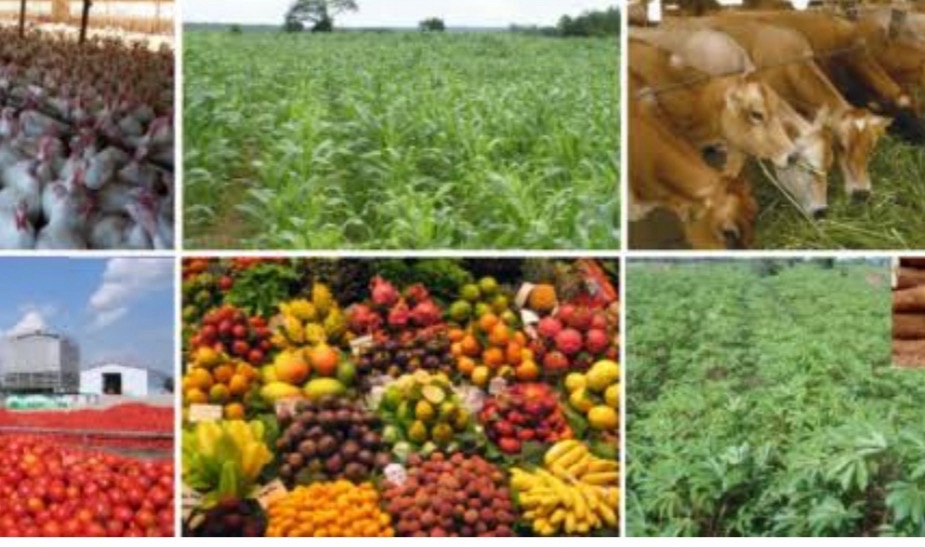
In a landmark breakthrough poised to redefine global agriculture, Chinese scientists have developed a new salt- and heat-tolerant cereal crop capable of thriving on previously uncultivable land. The innovation hailed as a potential game-changer for global food security could unlock over 14 billion acres of saline or barren land for productive farming.
The cereal, a genetically engineered variant of rice, was developed by a team from the Chinese Academy of Sciences (CAS) in partnership with Shanghai Jiao Tong University. Dubbed “seawater rice” by researchers, the crop has demonstrated exceptional resilience to high salinity, alkalinity, and elevated temperatures in field trials.
“This represents a new era in sustainable agriculture,” said Dr. Liu Hong, lead researcher on the project. “We’ve found a way to not only grow crops where it was once impossible, but to do so with dramatically increased yields.”
Breakthrough Genetics
The success of the cereal lies in the regulation of plant hormones specifically gibberellin and the integration of two key stress-resistance genes: ATT1 and ATT2. These adaptations allow the plant to maintain robust growth even under severe environmental stress.
In trials, the new strain produced yields 78% to 101% higher than traditional rice varieties when grown on saline-alkaline soils conditions that typically inhibit most forms of agriculture.
Global Implications
The figure of “14 billion acres” corresponds to the estimated total amount of saline-affected and degraded land globally. If even a fraction of this land can be reclaimed for cultivation, it could significantly boost food production and reduce reliance on arable land already under strain.
Agricultural analysts say the breakthrough could be especially impactful in regions grappling with climate change, desertification, and food insecurity.
A Pillar of China’s Agricultural Strategy
The new cereal aligns with China’s broader agricultural modernization strategy. The Ministry of Agriculture has outlined ambitious goals for 2025–2030, including:
Developing gene-edited crops for higher resistance and yield
Boosting national grain production by 50 million metric tons
Mechanizing over 75% of farmland operations
Enhancing seed independence to reduce foreign reliance
Gene-edited rice and corn are already undergoing scaled-up trials as part of this agenda, with growing support from regulatory authorities.
Challenges Ahead
While the scientific promise is considerable, experts caution that widespread deployment will depend on several factors:
Scalability: Translating lab and trial success into commercial-scale farming.
Economic feasibility: Ensuring cost-effective adoption by farmers.
Regulatory approvals: Navigating domestic and international GMO regulations.
Public perception: Addressing skepticism toward genetically modified organisms, still prevalent in many parts of the world.
Conclusion
China’s unveiling of a super-resilient cereal crop marks a bold step forward in the fight for global food security. If scaled successfully, it could provide a lifeline for regions battling land degradation and climate change ushering in a new era of agricultural abundance from the world’s most unyielding soils.
