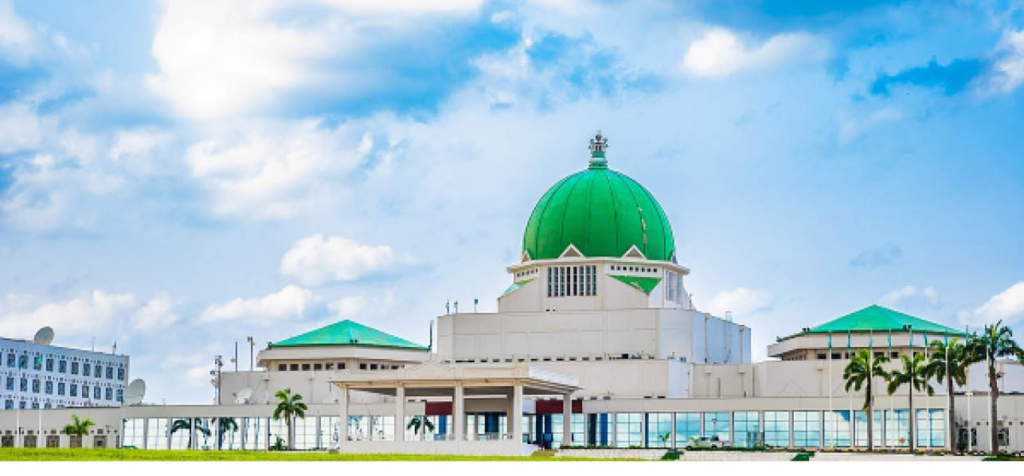
An investigation into the allegations of U.S. foreign aid funding Boko Haram and other terror groups continues to be mired in uncertainty, five months after it was initiated by Nigeria’s National Assembly. The delay in the probe has raised suspicions about external pressures influencing the process, with many questioning the credibility of the claims made and the response from Nigerian authorities.
The allegations, first brought to light by U.S. Congressman Scott Perry in February 2025, accused the United States Agency for International Development (USAID) and other international non-governmental organizations (NGOs) of inadvertently funding Boko Haram, the Islamic State West Africa Province (ISWAP), and other violent insurgent groups. The accusation centered on claims that USAID allegedly funneled nearly $697 million annually to radical groups via madrasas in the region.
“The funds were diverted to training camps and terrorist operatives,” Perry asserted during a U.S. House subcommittee hearing, sparking a series of reactions both locally and internationally.
Despite the U.S. Congressman’s claims, the Nigerian government has struggled to provide verifiable evidence of such transactions, with both the Senate and House of Representatives still unable to conclude their inquiries into the matter.
Delay in Findings
Senator Ali Ndume of Borno South, a key figure in the Senate’s investigation, revealed that no progress had been made on the investigation. In an interview with Daily Trust, Ndume said, “I am handicapped… I have not heard anything about the motion. It is the work of the Senate leadership.” He expressed frustration, pointing out that the Senate had resolved to summon security chiefs, but no further actions had been taken.
This lack of progress comes despite calls from analysts and political figures in Nigeria for a thorough investigation into the flow of funds supporting insurgents in the country. Some, like Senator Ndume, believe that the insurgency could be curtailed if security forces are equipped with the right resources. “The only thing missing is TEAM: Training, Equipment, Ammunition, and Motivation,” he said, referencing the critical need for better support for Nigeria’s military.
Alleged NGO Complicity
The allegations have cast a shadow over the operations of NGOs in the northeastern states of Borno, Yobe, and Adamawa, which have long been critical in providing humanitarian relief to those affected by the insurgency. There are over 200 NGOs reportedly operating in the region, raising questions about their oversight and potential links to terrorist activities.
A report by the Policy and Legislative Advocacy Centre (PLAC) published in March 2025 indicated that the House of Representatives’ ad-hoc committee investigating these NGOs had been suspended after pressure from Speaker Abbas Tajudeen. The committee’s investigation had raised concerns about NGOs being asked to provide sensitive documents, including decade-long records of operations, audits, and detailed funding information. Many NGOs decried these demands as excessive, accusing the government of overreach and threatening their ability to operate in the region.
The Role of International Aid
USAID has been one of the primary providers of aid in the conflict-ridden regions of Nigeria, particularly in North East Nigeria. Their programs have included vital support for displaced persons, including food distribution, water sanitation, health services, and education. However, their involvement in the region has also come under scrutiny. Critics argue that despite the agency’s official stance of non-complicity in terrorism, the assistance provided to vulnerable communities could inadvertently benefit insurgents due to the complex dynamics of the conflict zone.
Colonel A. Ahmed (rtd), a former military officer who worked extensively in the North East, explained that while there is no direct evidence linking USAID to Boko Haram, insurgents often seize supplies meant for displaced people. “The NGOs provide support to all assessed needy persons… but Boko Haram benefits through these supports mainly indirectly,” Ahmed noted.
International Relations at Stake
While USAID has denied the accusations, claiming its operations are thoroughly monitored and evaluated, the allegation has strained Nigeria-U.S. relations. The Senate’s investigation could potentially result in diplomatic consequences depending on the outcome. Senator Godswill Akpabio of the Nigerian Senate emphasized that if the claims were substantiated, it could “strain Nigeria-US diplomatic relations.” This delicate balance underscores the complexity of the probe, as political, humanitarian, and international relations intersect.
Security Experts Weigh In
Security experts, including Brigadier-General Sani Kukasheka Usman and Dr. Kabiru Adamu, have emphasized the challenges of proving or disproving the allegations due to the clandestine nature of terrorist financing. They argue that, while the NGOs play an essential role in providing aid, ensuring that it does not fall into the hands of insurgents requires better transparency and oversight. “The absence of forensic financial trails and restricted access to some areas make it hard to establish a direct nexus,” said Usman.
Dr. Adamu, a counterterrorism expert, suggested that the continued suspicion surrounding foreign aid stems from a “deep-seated distrust” and the opacity of terrorist financing. He stressed the importance of transparency in aid operations to prevent any unwitting support for terrorism.
Conclusion: The Need for a Holistic Approach
As investigations into the alleged funding of Boko Haram continue to drag on, the question remains whether concrete evidence will ever surface or if the allegations will remain speculative. What is clear, however, is the necessity for more stringent oversight of humanitarian aid and the need for Nigeria’s security forces to be fully equipped to handle the insurgency.
The Nigerian government must balance international aid relationships with the safety and security of its citizens. Until then, the probe will remain a contentious issue, with both local and international repercussions.
