Over 75 million people under weather alerts as climate-fueled extremes escalate
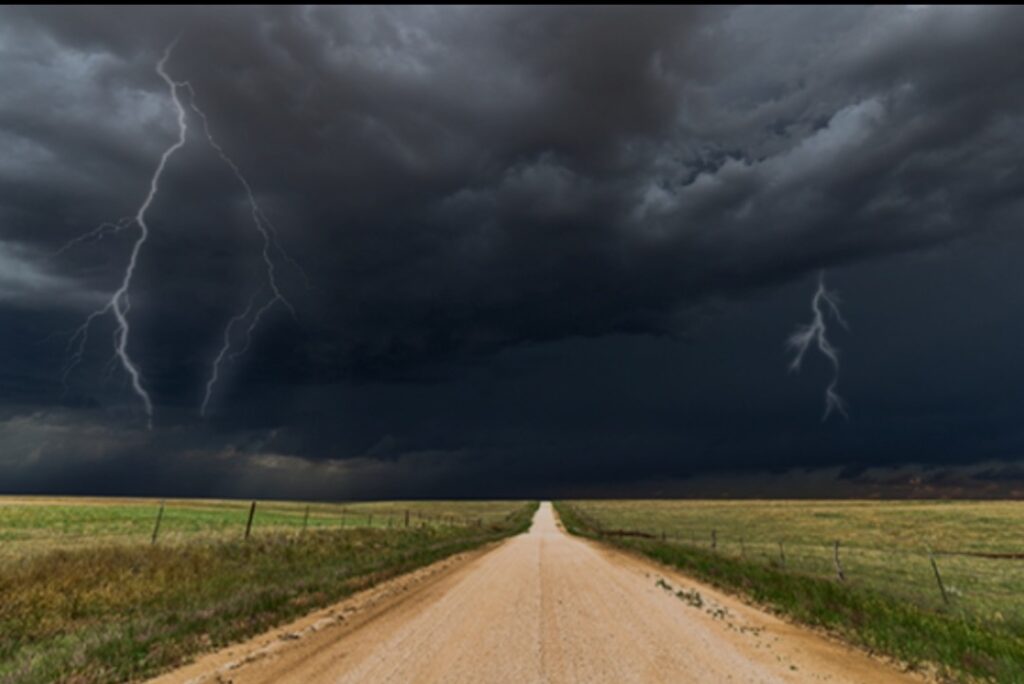
A powerful and fast-moving storm system is sweeping across the U.S. Midwest and Northeast, bringing life-threatening flash floods, damaging winds, and an unrelenting heatwave that has placed over 75 million Americans under severe weather alerts.
Flash Flood Emergency in the Midwest
The National Weather Service (NWS) has issued a Level 3 of 4 excessive rainfall alert across large parts of the Ohio Valley, with forecasts warning of rainfall rates exceeding 3 to 4 inches per hour. The heaviest-hit area so far is Fayette County, Illinois, where over 7 inches of rain fell in just 24 hours. Local authorities declared a flash flood emergency, urging residents to shelter in place.
Nationwide, the U.S. has already experienced over 3,160 flash flood warnings in 2025 the highest total ever recorded this early in the year.
Severe Storm Watches From Indiana to New York
Severe thunderstorms are battering states from Missouri and Illinois to Pennsylvania and New York, with watches and warnings in place for cities including Indianapolis, Cincinnati, Boston, and New York City.
Meteorologists warn of:
Wind gusts exceeding 60 mph
Large hail
Localized tornado risk
Residents are being urged to monitor emergency alerts and be prepared for power outages, downed trees, and hazardous travel conditions.
Heat Dome Intensifies Over Central U.S.
As storms wreak havoc in the East, a massive heat dome is settling over the Central U.S., intensifying temperatures and humidity. Chicago, St. Louis, and Detroit are experiencing heat indices between 105 and 115°F, placing millions under heat advisories and triggering public health warnings.
“This level of heat is not just uncomfortable it’s dangerous,” said Dr. Marcus Leyland, a public health official in Illinois. “We’re particularly concerned for children, the elderly, and outdoor workers.”
A Symptom of a Warming Planet
Experts say these concurrent extremes flash floods, severe thunderstorms, and unrelenting heat are not isolated incidents but part of a broader trend fueled by climate change.
“As the planet warms, the atmosphere holds more moisture, making storms more intense and rainfalls more extreme,” said NOAA climate scientist Dr. Elena Ruiz. “What we’re seeing now is not the exception it’s becoming the norm.”
As the U.S. braces for another day of turbulent weather, officials stress that preparation and awareness are critical. With more extreme weather expected in the days ahead, the nation is once again reminded of the mounting risks posed by a rapidly changing climate.
