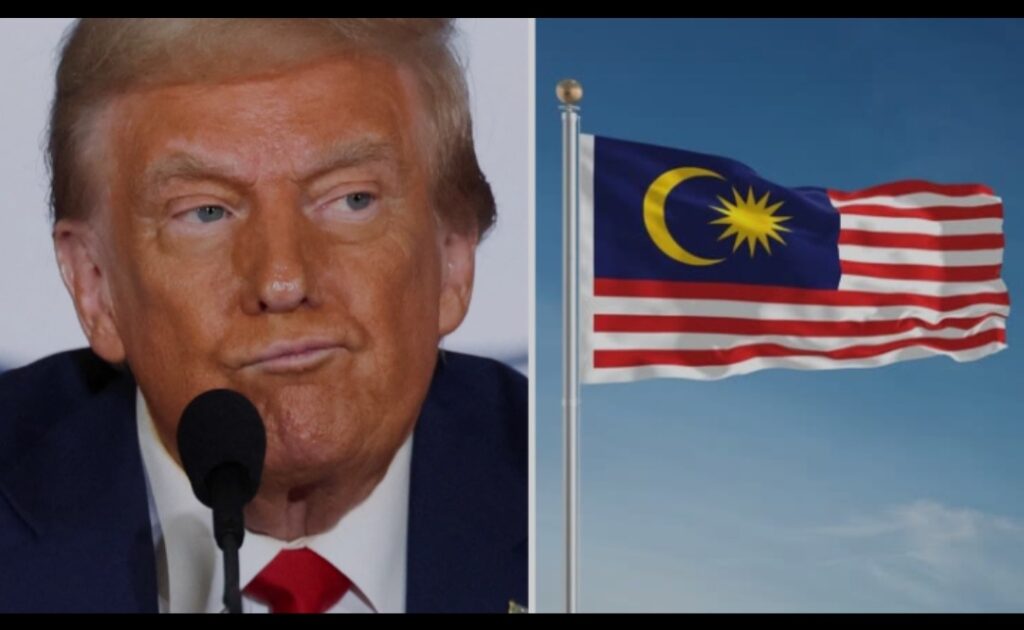
Malaysia is pushing to lower proposed U.S. import tariffs on its goods from 25% to 20% as part of urgent negotiations ahead of an August 1 deadline. The move comes as Washington prepares to enforce sweeping new trade measures under President Donald Trump’s second-term agenda, which has triggered concerns across Southeast Asia.
The proposed tariff reduction would align Malaysia’s rate with those offered to regional counterparts such as Vietnam and Indonesia. However, progress has been slowed by U.S. demands related to Malaysia’s electric vehicle (EV) policies and foreign investment rules areas where Kuala Lumpur is reluctant to concede.
“We’re engaged in a very respectful and ongoing dialogue with our U.S. counterparts,” said a senior Malaysian trade official. “Malaysia remains hopeful that a mutually beneficial agreement can be reached in time.”
Tariff Surge Raises Stakes
Earlier this year, the Trump administration announced tariff hikes that would push average U.S. duties on certain countries’ exports to as high as 27% the highest in over a century. The measures are part of a broader “America First” strategy aimed at reshaping global trade relations. Malaysia, along with other ASEAN economies, now finds itself racing against the clock to secure bilateral agreements to avoid steep penalties.
If a deal is not reached by August 1, Malaysian exporters will face the full 25% tariff posing risks to key industries, including electronics, semiconductors, and automotive components.
Regional Diplomacy in Motion
Prime Minister Anwar Ibrahim has been vocal in advocating for a coordinated Southeast Asian response, calling on ASEAN members to present a united front in negotiations with Washington. Malaysia is also hosting back-channel discussions with neighboring governments to share strategies and pool leverage.
“ASEAN solidarity is crucial in this moment,” Anwar said earlier this month. “We must ensure that the region’s economic stability is not undermined by unilateral protectionist moves.”
U.S. Secretary of State Marco Rubio recently visited several ASEAN capitals, including Kuala Lumpur, in a diplomatic effort to ease tensions. While acknowledging the region’s concerns, Rubio reaffirmed the administration’s position that any tariff relief must come with “concrete market reforms.”
10 Days to Deal
With less than two weeks until implementation, Malaysia’s window for securing favorable terms is rapidly closing. Trade experts say a 20% tariff could offer a partial reprieve, though even that would still significantly raise costs for exporters compared to pre-2025 levels.
“Malaysia is trying to walk a fine line,” said a trade analyst at the Institute of Southeast Asian Studies. “They want to avoid a damaging tariff hike without surrendering too much economic sovereignty.”
As negotiations continue, global investors and regional supply chains are closely watching the outcome, which could set a precedent for how other middle income economies navigate the evolving global trade landscape under Trump’s second presidency.
