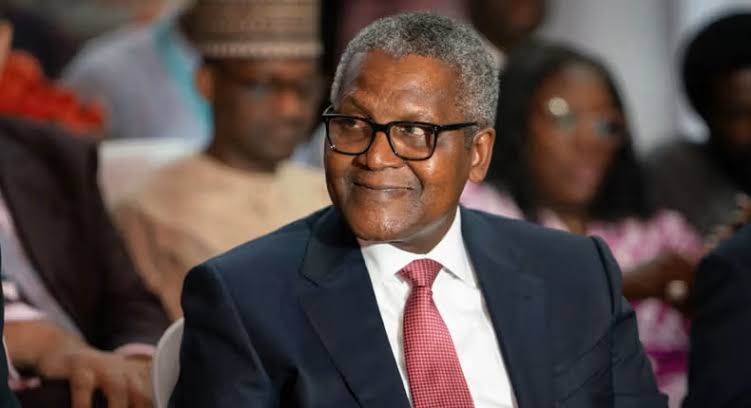
President of Dangote Group, Alhaji Aliko Dangote, has called on President Bola Tinubu to extend the Federal Government’s ‘Nigeria First’ policy to include a ban on the importation of refined petroleum products such as petrol and diesel. Speaking at the Global Commodity Insights Conference on West African Refined Fuel Markets in Lagos, Dangote argued that the ongoing importation of fuel is undermining local refining efforts and discouraging much-needed investments in the sector.
Dangote urged Nigeria and other African governments to protect domestic producers from what he described as unfair dumping of cheap and often toxic fuel, allegedly blended below acceptable standards and subsidised in countries like Russia. He stressed that his $20 billion refinery, which has already exported 1.35 billion litres of petrol in 50 days, is capable of meeting local demand, and that promoting local production over imports will strengthen the economy and boost investor confidence.
However, his proposal has been unanimously rejected by key players in the downstream oil sector. The Independent Petroleum Marketers Association of Nigeria (IPMAN), Petroleum Products Retail Outlet Owners Association of Nigeria (PETROAN), and industry analysts have warned that such a move would encourage monopoly, worsen inflation, and pose a threat to energy security. IPMAN spokesperson Chinedu Ukadike and PETROAN President Billy Gillis-Harry both insisted that importation helps stabilize supply and pricing in the absence of multiple functioning local refineries.
Energy law expert Prof. Dayo Ayoade from the University of Lagos also cautioned against the legal and economic risks of a ban, noting that it contradicts international trade norms and could compromise national energy security by handing market control to a single player. While stakeholders supported Dangote’s call to revoke dormant refinery licenses, they firmly opposed any restriction that would limit market competition or tilt the balance of the sector in favor of one operator.
Dangote, who recently stepped down as Chairman of Dangote Cement, said the move was to allow him focus fully on his refinery, petrochemical, fertiliser businesses, and related government engagements. His refinery is set to increase production capacity from 650,000 to 700,000 barrels per day by December. The company is also preparing to launch a Compressed Natural Gas-powered fuel delivery scheme starting August 1, aimed at streamlining direct fuel delivery across Nigeria.
