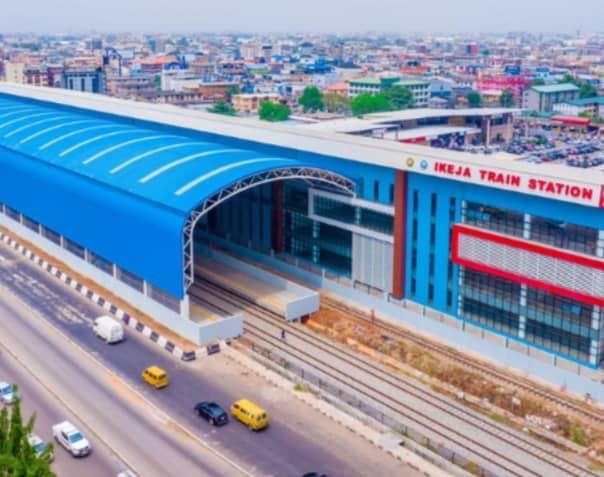
Nigeria is set to launch a $60 billion high-speed rail project spanning 4,000 km, linking major cities including Lagos, Abuja, Kano, and Port Harcourt.
The venture, backed by De-Sadel Nigeria Ltd and China Liancai Petroleum Investment Holdings, recently secured approval of its Outline Business Case from the Infrastructure Concession Regulatory Commission (ICRC). The first 1,600 km phase is expected to be completed within 36 months.
Government officials say Nigeria’s 210 trillion cubic feet of proven gas reserves will serve as a reliable energy base, supporting railway operations and related industrial growth. Plans are also underway to convert locomotives to run on LNG and CNG to cut diesel costs.
Though investors have presented proof of funds, concerns remain over financing risks and debt implications. Some reports linking the project to “8,500 MW” appear to reflect a separate government directive to raise national electricity generation to that level, not the rail initiative itself.
If delivered, the scheme would be the largest transport infrastructure project in West Africa, transforming connectivity across Nigeria’s economic hubs.
