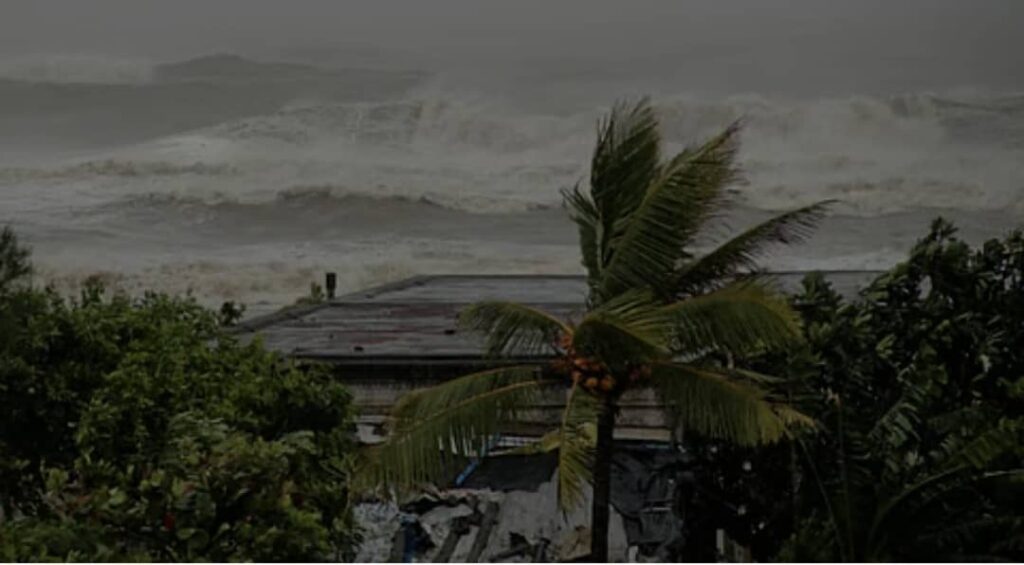
Cyclone Gabrielle swept across Portugal’s mid-Atlantic Azores Islands on Friday, battering seven of the nine islands with strong winds and heavy rain, but the storm proved less destructive than forecasters had feared.
The Portuguese weather agency IPMA had issued a rare red alert, warning of potentially “extreme” conditions, with wind gusts expected to reach up to 200 kilometers per hour and sea swells as high as 18 meters. Instead, peak gusts reached about 154 kph (96 mph), and the waves remained below the worst predictions.
Authorities had braced for impact by closing schools and public services, banning coastal activities, and urging residents to stay indoors. Despite some damage including collapsed roofs, uprooted trees, and localized flooding, no injuries were reported.
Gabrielle had already transitioned into a post-tropical cyclone before striking the Azores, reducing its intensity but still packing dangerous conditions. “The preventive measures worked, and we were fortunate the storm was not as severe as projected,” regional officials said.
The cyclone has now moved eastward, with weather warnings gradually being lifted across the islands.
Meanwhile, meteorologists are monitoring developments further out in the Atlantic. Hurricane Humberto has strengthened, though it currently poses no threat to land.
