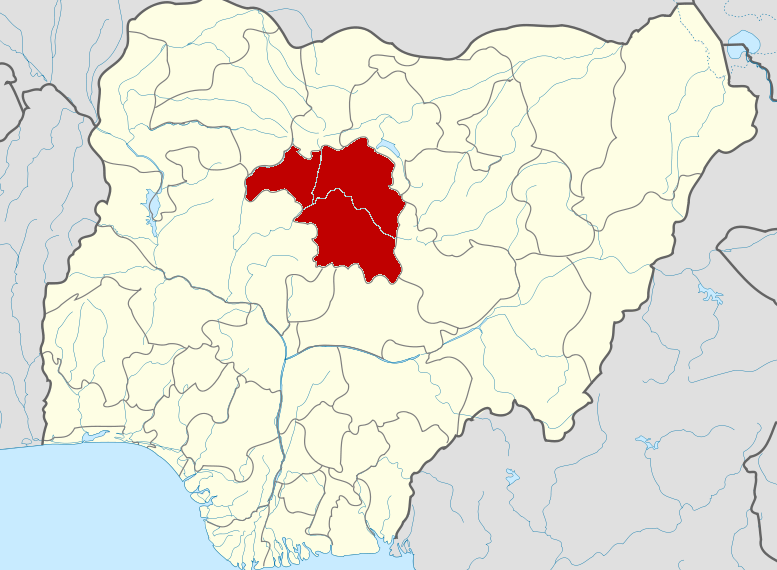
Kaduna State has successfully eliminated trachoma a leading cause of preventable blindness as a public health problem, marking a major milestone in Nigeria’s fight against neglected tropical diseases.
The Kaduna State government under its Ministry of Health on Monday celebrated the elimination of Trachoma, a neglected tropical disease that causes blindness.
Trachoma is a bacterial eye infection that causes blindness if untreated and was once one of the leading causes of preventable blindness in Nigeria.
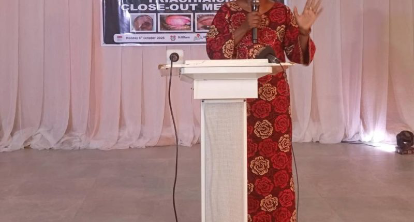
Addressing the public at the official closeout ceremony in Kaduna, the Country Coordinator for Trachoma with Sightsavers, Dr. Teyil Wamyil Mshelia, described the achievement as a collective victory made possible through years of collaboration among government agencies, partners, and local communities.
Dr. Mshelia stated that Kaduna is among the first places globally where Sightsavers began functioning over seven decades ago, leading efforts to eradicate abandoned tropical diseases (NTDs).
“With the elimination of trachoma in Kaduna State, we celebrate one of our greatest public health victories. Significant progress is also being made toward eliminating onchocerciasis and lymphatic filariasis,” she said.
The Country Director clarified that between 2017 and 2023, over 500,000 the people of Kaduna received preventive treatment, while about 700 people experienced corrective eye surgeries.
She accredited the success to strong community commitment, increased public awareness, and the training of health workers and traditional leaders.
“We trained surgeons, ophthalmic nurses, and community volunteers who identified cases house to house and linked patients to treatment centers,” she added.
She stated that Kaduna State now has a sustainability plan, including designated static centers to continue providing trachoma related services.
Dr elaborated that Kaduna’s success was achieved through intensive awareness campaigns, local capacity building, and community ownership.
She, however, appealed to the state government to continue supporting the post-elimination phase by ensuring the centres are functional and adequately equipped.
“We want the government to provide consumables, logistics, and possibly free or subsidised services, as most of those affected are from rural and impoverished communities,” she said.