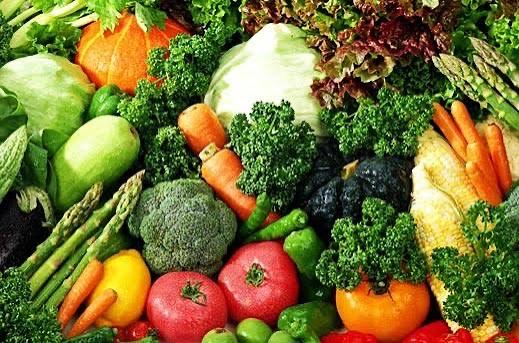
Nigeria’s agricultural sector is rapidly emerging as a key driver of the nation’s economic recovery, with recent data showing steady growth, renewed investment, and stronger policy focus on agribusiness and value-chain development.
According to the National Bureau of Statistics (NBS), the agricultural sector contributed 25.59% to Nigeria’s Gross Domestic Product (GDP) in the fourth quarter of 2024, reflecting its central role in the nation’s production base. The sector also expanded by 1.76%, helping push overall GDP growth to 3.84% during the same period.
Experts say this performance highlights agriculture’s potential to sustain long-term growth, create jobs, and reduce dependence on oil revenue.
“Agriculture remains the backbone of Nigeria’s economy, and we are seeing renewed momentum in productivity, processing, and exports,” said a senior official at the Federal Ministry of Agriculture and Food Security.
To accelerate progress, the African Development Bank (AfDB) has pledged US$2.2 billion to establish agricultural processing zones across 28 states, aimed at reducing post-harvest losses and boosting value addition. In a similar move, Nigeria and Brazil have sealed a US$1 billion partnership to enhance mechanization, training, and agricultural infrastructure nationwide.
The National Information Technology Development Agency (NITDA) also projects that digitizing smallholder farming operations could add up to US$67 billion to Nigeria’s GDP by improving efficiency, logistics, and data-driven decision-making.
Despite these positive trends, challenges persist. Insecurity in farming regions, inadequate infrastructure, and limited financing continue to impede progress. Export earnings from agriculture remain below US$400 million, a figure experts say must rise for Nigeria to fully realize its export potential.
Analysts emphasize that sustained investment, policy consistency, and a focus on processing and storage infrastructure will be vital to unlocking the sector’s full potential.
“With greater mechanization, stable policies, and digital innovation, agriculture can drive Nigeria’s next wave of economic transformation,” said an analyst with the Nigerian Economic Summit Group (NESG).
As Nigeria works to diversify its economy, agriculture is increasingly being recognized not just as a survival sector but as a strategic engine for inclusive growth, job creation, and national resilience.
