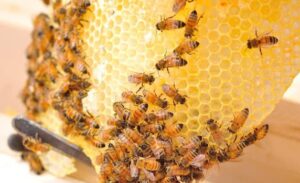
A quiet revolution is buzzing across Africa. As global demand for honey rises, beekeeping is emerging as one of the continent’s most profitable and sustainable agribusiness ventures.
Africa now produces about 223,000 tonnes of honey annually, roughly 12% of global output, up from 155,000 tonnes a decade ago. The growth is driven by rising export demand and increased interest in organic, locally sourced products.
Tanzania Leads the Buzz
Tanzania has become a regional leader. Through the Beekeeping Value Chain Enhancement (BEVAC) project, it launched the Tanzania Honey Trademark to improve quality and competitiveness. Honey exports reached 1,321 tonnes worth 15.86 billion shillings in 2024/25, with plans to double output soon. The country is also promoting “bee tourism,” combining income generation with conservation.
Kenya and Ghana Catch Up
In Kenya, apiculture added Sh19.23 billion to agricultural GDP in 2024 as farmers diversify beyond crops and livestock. Ghana’s Women in Apiculture program is empowering women and youth with training and equipment, turning honey into a tool for economic independence.
Quick Returns, Sustainable Impact
Beekeeping requires modest investment and yields returns within three to six months. Beyond honey, income comes from beeswax, propolis, and pollination services. While rising input costs and pests like Varroa mites remain challenges, proper training and hive management can ensure steady profits.
Unlike many agribusinesses, beekeeping supports the environment through pollination and biodiversity. Governments and NGOs are investing heavily to train new beekeepers and connect them to lucrative markets.
The Bottom Line
With strong demand, low barriers to entry, and quick payback, beekeeping is proving to be one of Africa’s sweetest investments turning honey into fast-growing wealth for farmers and entrepreneurs alike.
