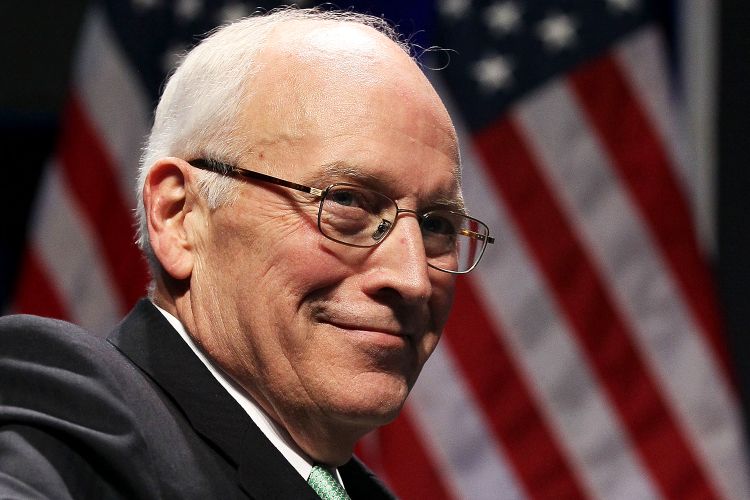
Dick Cheney, the 46th Vice President of the United States and one of the most influential figures in modern American politics, has died at the age of 84. His family announced that Cheney passed away on Monday, November 3, surrounded by his wife Lynne, daughters Liz and Mary, and other loved ones. According to the statement, the former vice president died “due to complications of pneumonia and cardiac and vascular disease.” Cheney’s death marks the end of an era for a statesman whose career spanned five decades and who helped shape U.S. domestic and foreign policy through some of its most turbulent times.
Jocomms Correspondent reports that Cheney’s political journey saw him serve in several top government roles, including White House Chief of Staff under President Gerald Ford, a six-term Congressman from Wyoming, Secretary of Defense under President George H. W. Bush, and later as Vice President under George W. Bush from 2001 to 2009. He was a central figure in U.S. foreign policy during the aftermath of the September 11 attacks, known for his strong national security stance and decisive influence in the Iraq and Afghanistan wars. His political legacy remains deeply complex—admired by conservatives for his conviction and criticized by opponents for his role in shaping controversial post-9/11 policies.
“Dick Cheney was a great and good man who taught his children and grandchildren to love our country and live lives of courage, honor, love, kindness, and fly fishing,” the family said in a statement. Survived by his wife of 61 years, Lynne, two daughters, and seven grandchildren, Cheney leaves behind a towering legacy of leadership, patriotism, and controversy. As America reflects on his long and storied career, the question now is—how will history remember one of the most powerful vice presidents in U.S. history? Visit www.jocomms.com for more news.