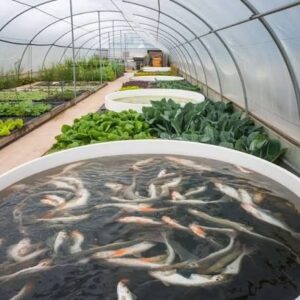
In a bid to strengthen food security and promote sustainable agriculture, the Japan International Cooperation Agency (JICA) has launched training programmes for farmers in Oyo and Lagos States on aquaponics an innovative farming system that combines fish rearing and hydroponic crop cultivation.
The initiative, which aligns with Nigeria’s drive to modernize its agricultural sector, aims to equip local farmers with advanced techniques for producing food efficiently while conserving land and water resources.
Speaking during the training, JICA representatives highlighted aquaponics as a practical response to the challenges of climate change, soil degradation, and irregular rainfall. By merging aquaculture and hydroponics, the system allows farmers to grow both fish and vegetables in a single, self-sustaining cycle where fish waste fertilizes the plants, and plants help purify the water for fish.
“Our goal is to empower farmers with eco-friendly technologies that enable year-round food production and improved income,” said a JICA official.
The participants are being trained on system design, installation, maintenance, and best practices for optimizing productivity. The curriculum also includes post-harvest handling, market access strategies, and system hygiene management to ensure long-term sustainability.
Agricultural experts have lauded the initiative, noting that it will not only enhance farmers’ technical capacity but also contribute to reducing Nigeria’s dependence on imported food and boosting local economies.
Officials from both Oyo and Lagos State governments expressed appreciation for JICA’s continued support, describing the project as a timely and strategic step toward achieving national food sufficiency.
With population growth and environmental pressures threatening traditional farming systems, aquaponics is increasingly viewed as a key innovation in Nigeria’s transition to climate-smart, high-yield agriculture. Visit www.jocomms.com for more news.
