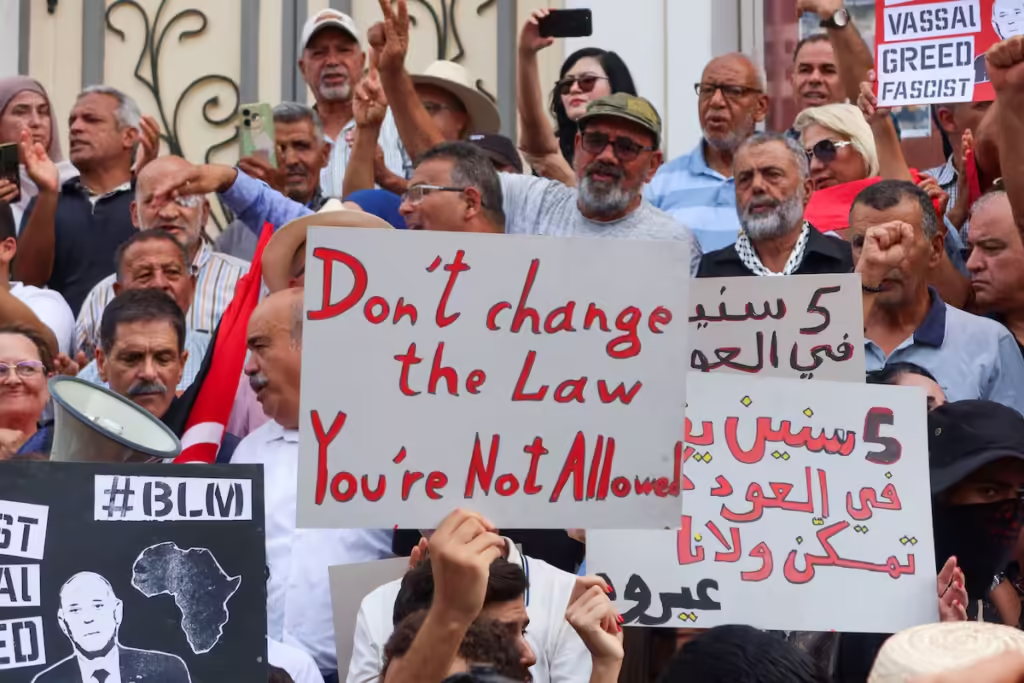
Hundreds of Tunisians took to the streets of Tunis on Sunday to protest against President Kais Saied, accusing him of authoritarianism and suppressing political competition just two weeks before a crucial presidential election. The demonstrators, for the second week in a row, marched down the city’s main avenue, a key site of the 2011 “Arab Spring” revolution, chanting slogans such as “The people want the fall of the regime” and “Out with dictator Saied.”
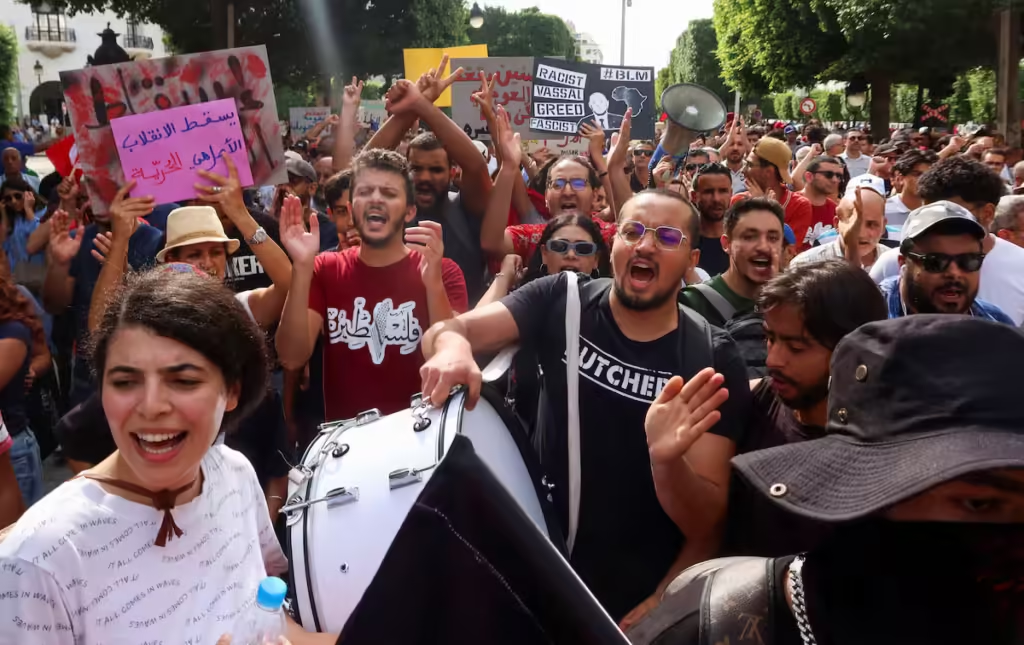
The protest comes amid rising political tensions and a heavy police presence, as opposition leaders accuse Saied of maneuvering to secure a second term in office by sidelining opponents and manipulating the electoral process. The anger escalated after lawmakers proposed a controversial bill to strip the administrative court, Tunisia’s highest judicial body for electoral disputes, of its authority over election-related matters. Critics argue that this move could undermine the legitimacy of the upcoming October 6 election.
“Saied’s steps show that he is no longer popular and he fears losing the election,” said Nabil Hajji, leader of the opposition Attayar party. “Tunisians now have only one choice, which is the streets to defend our democracy,” he added, highlighting the growing unrest as Saied’s grip on power tightens.
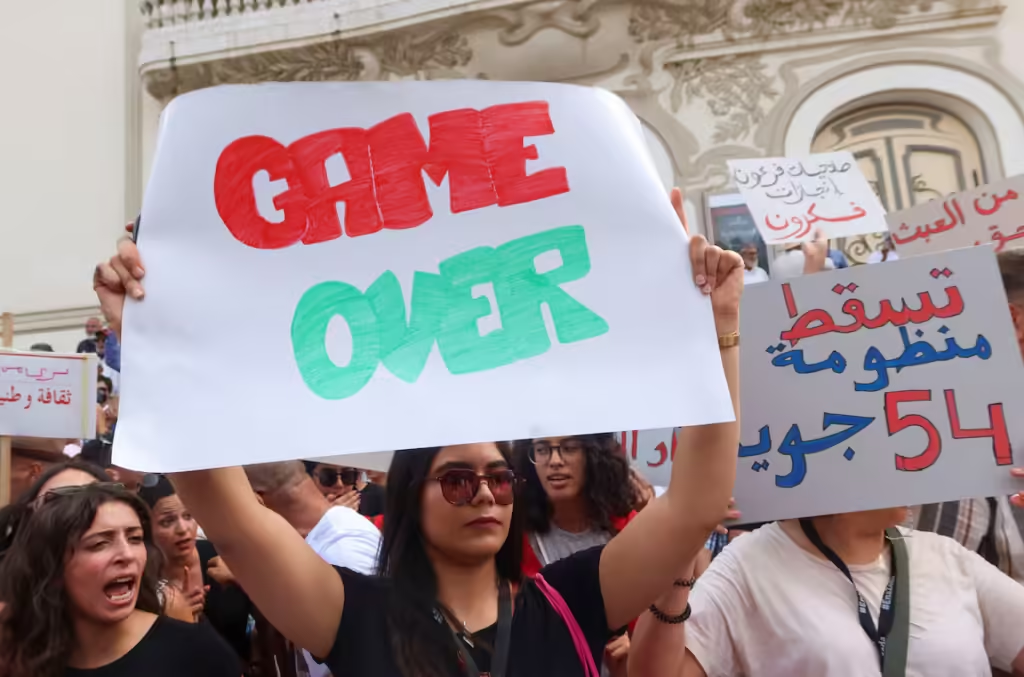
Political tensions have reached a boiling point in recent weeks after the electoral commission, appointed by Saied, disqualified three prominent candidates—Mondher Znaidi, Abdellatif Mekki, and Imed Daimi—from running in the upcoming election. Despite a ruling from the administrative court challenging these disqualifications, the commission pressed ahead, allowing only two candidates to run against Saied.
One of the remaining candidates, Ayachi Zammel, is currently in jail after being sentenced to 20 months in prison last Wednesday for allegedly falsifying signatures on election paperwork, a charge he calls politically motivated. The disqualification of key rivals and Zammel’s imprisonment have fueled accusations that Saied is using the judiciary and electoral commission to crush opposition and secure an unchallenged path to re-election.
Saied, who came to power in 2019 as a democratically elected president, has faced mounting criticism since he began ruling by decree in 2021 after suspending parliament and dissolving the government. The opposition has labeled his actions a “coup,” accusing him of dismantling the democratic institutions born out of Tunisia’s revolution and consolidating his power under the guise of fighting corruption and traitors.
As the election date approaches, Saied’s supporters claim he is defending Tunisia from political corruption and external meddling, while critics argue that his actions are pushing the country back towards dictatorship. With tensions running high and protests continuing to grow, Tunisia’s political future remains uncertain as the nation grapples with its fragile democracy.
