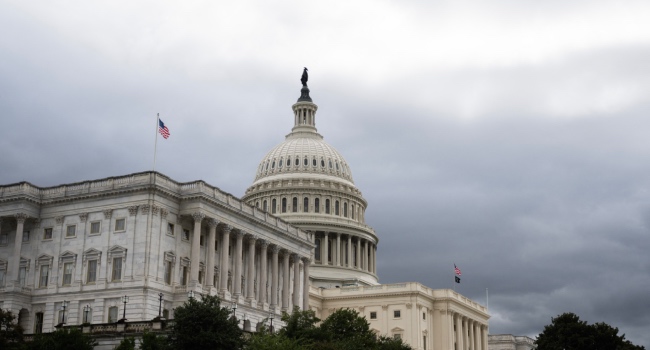
The United States is bracing for major air travel disruptions this weekend as federal officials announced a 10 percent reduction in scheduled flight capacity across 40 major air traffic areas, a move prompted by the longest government shutdown in U.S. history.
Transportation Secretary Sean Duffy confirmed at a White House briefing on Wednesday that the cuts will take effect Friday, citing ongoing staffing shortages and operational strain across key federal agencies.
“There is going to be a 10 percent reduction in capacity at 40 of our locations,” Duffy said. “We’re doing everything we can to maintain safety and order, but the system is under severe stress.”
According to the Federal Aviation Administration (FAA) chief Bryan Bedford, the reductions will target “high-traffic environment markets” — including airports in Atlanta, Dallas, Los Angeles, and New York City. A proposed list obtained by CBS News suggested these major hubs would be among those most affected.
AFP reported that both the Department of Transportation and the FAA have yet to release the official list of impacted airports.
A Shutdown Without End
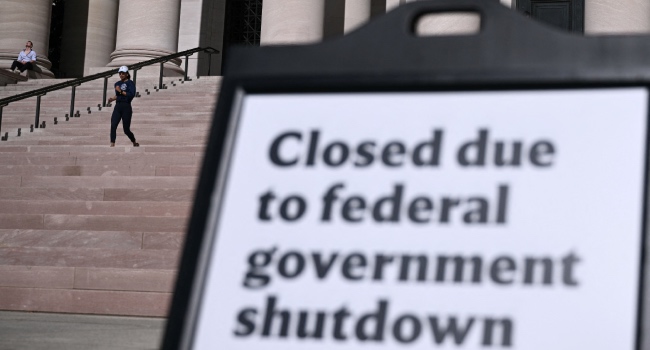
The shutdown — now in its 37th day — began after Congress failed to pass a funding bill before the September 30 deadline. With no resolution in sight, an estimated 1.4 million federal workers remain either furloughed or working without pay, including tens of thousands of air traffic controllers and Transportation Security Administration (TSA) staff.
The disruption has brought large portions of the federal government to a standstill, with ripple effects spreading across the economy and public services.
“The longer the shutdown goes on, and as fewer air traffic controllers show up to work, the safety of the American people is thrown further into jeopardy,” House Speaker Mike Johnson warned last week.
Johnson said that flight delays linked to staffing shortages have soared from 5 percent in late October to more than 50 percent nationwide as more workers call in sick rather than continuing to work without pay.
Echoes of the 2019 Crisis
The situation bears striking resemblance to the 2019 shutdown under President Donald Trump, which lasted 35 days and ended only after widespread flight cancellations and mounting public outrage. That record has now been surpassed, with no compromise emerging between Democrats and Republicans.
The stalemate centers on health care spending. Democrats are demanding an agreement to extend expiring insurance subsidies that keep premiums affordable for millions of Americans. Republicans, meanwhile, insist health care should be discussed only after the government is reopened.
White House Pressure Mounts
President Donald Trump has sought to ramp up pressure on Democrats by warning of mass layoffs and threatening to withhold key social programs. On Tuesday, he reiterated his administration’s plan to cut off food assistance for millions of low-income families — a move two federal courts have already blocked.
“We’re fully complying with legal obligations,” a White House spokesperson clarified Wednesday. “We’re working to get partial Supplemental Nutrition Assistance Program payments out the door as much as we can and as quickly as we can.”
Still, the growing frustration among unpaid federal employees — from park rangers to airport staff — continues to build political tension across Washington.
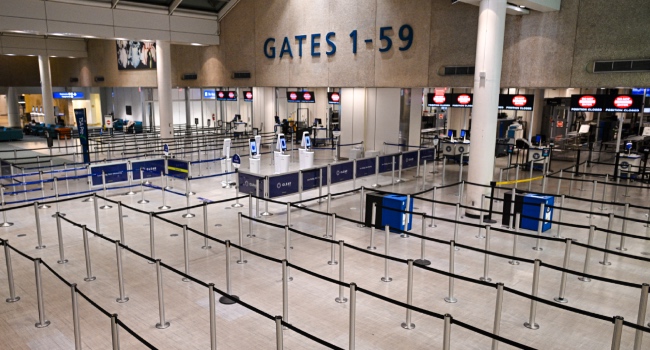
As airports prepare for Friday’s capacity cuts, analysts warn that the travel chaos could deepen unless Congress moves swiftly to end the impasse. For now, passengers are being advised to expect delays, cancellations, and extended wait times at security checkpoints nationwide.
“Every day this shutdown continues, it costs Americans their time, their safety, and their livelihoods,” said one aviation industry insider. “And that cost is only going up.”
