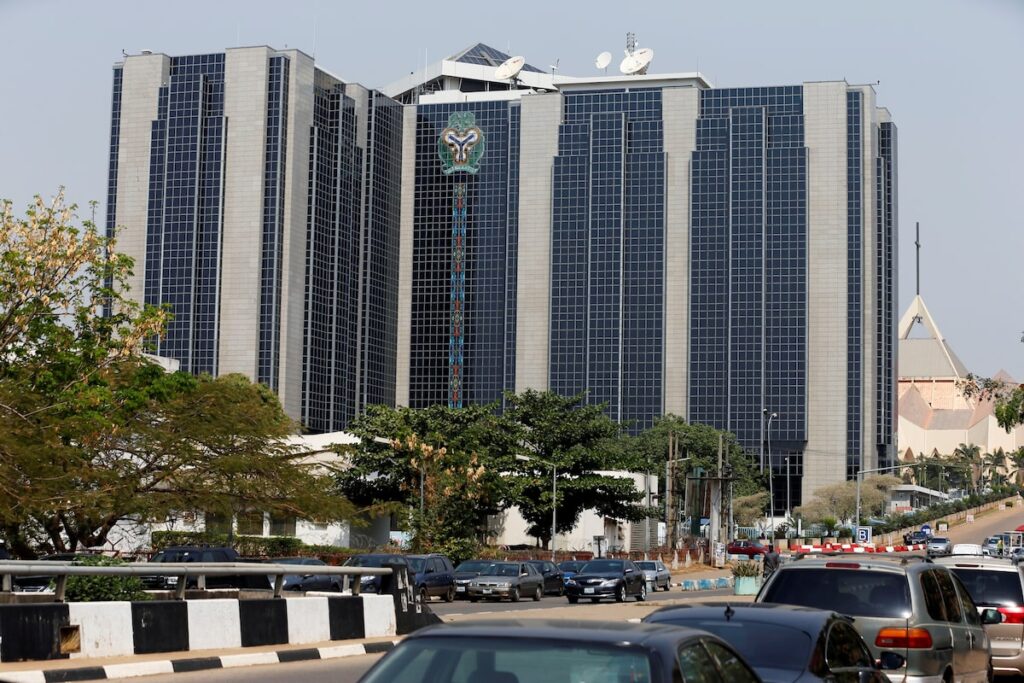
Nigeria’s external reserves have surged to a 22-month high, reaching $37.31 billion, driven by significant foreign inflows into Africa’s largest economy. This marks the highest level since November 4, 2022, when the reserves stood at $37.36 billion, according to data from the Central Bank of Nigeria (CBN).
The recovery in Nigeria’s foreign currency position comes as a positive development for the country, which has been grappling with economic challenges, including inflationary pressures and exchange rate volatility. The latest figure reflects the growing confidence of foreign investors and increased inflows from oil exports, remittances, and other foreign transactions.
Experts believe the upward trajectory of the reserves could help stabilize the naira, which has faced depreciation against the U.S. dollar in recent months. In addition, the rise in external reserves is expected to bolster the CBN’s ability to intervene in the foreign exchange market, providing much-needed liquidity.
Analysts note that maintaining this momentum will be crucial for the Nigerian government, which relies on external reserves to meet its foreign obligations, stabilize the currency, and support economic growth.
As of September 18, 2024, the CBN’s efforts to attract foreign inflows and manage the country’s external position appear to be yielding results, offering a brighter outlook for Nigeria’s economy.
