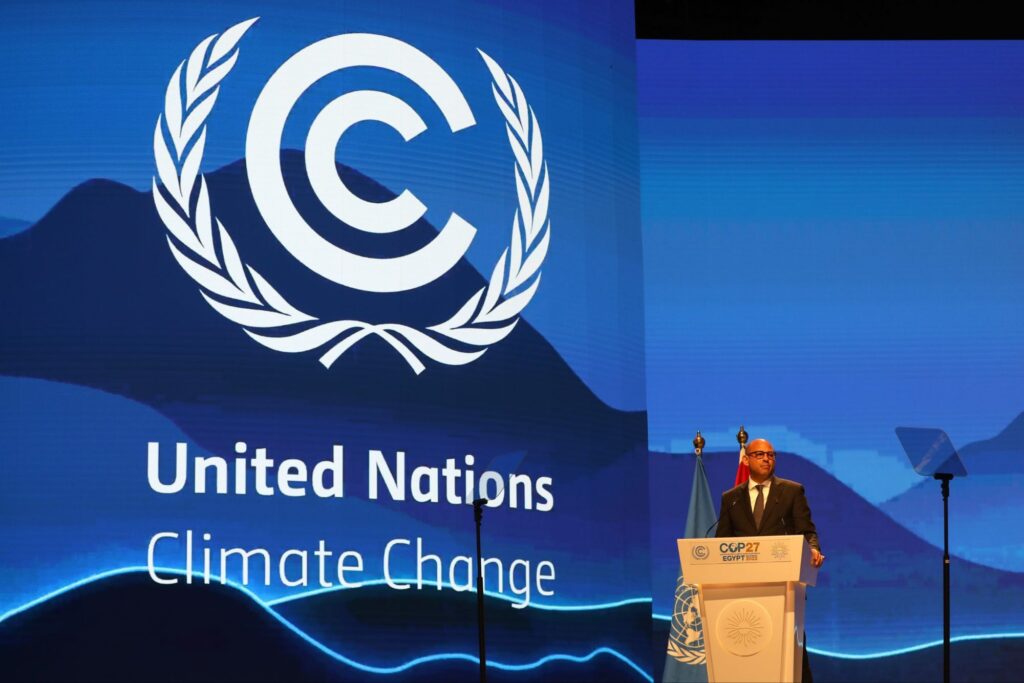
Global financial flows into clean energy projects across developing countries, including Nigeria, have surged to $21.57 billion, according to the United Nations Framework Convention on Climate Change (UNFCCC).
The figure, contained in the UNFCCC Yearbook of Global Climate Action 2025 under the Marrakech Partnership for Global Climate Action, represents a sharp rise from the $12.14 billion recorded in 2015. The report highlights growing investor confidence in renewable energy and low-carbon technologies across emerging economies.
Despite the progress, the UNFCCC warned that most of these investments remain concentrated in a handful of countries, leaving many developing nations including some in Africa struggling to attract adequate funding for clean energy transition.
“Investment in clean energy continues to accelerate, but access remains uneven,” the report noted, emphasizing the need for stronger international cooperation and finance mechanisms to ensure equitable growth.
Significantly, the UNFCCC found that global clean-energy spending now outpaces fossil-fuel investment by a ratio of 10:1, a dramatic shift from the 2:1 ratio recorded a decade ago.
For Nigeria, the report underscores both opportunity and urgency. With vast renewable potential in solar, wind, and hydro resources, the country could leverage the global funding trend to expand its energy access and drive sustainable industrial growth. However, analysts caution that achieving this will require consistent policy frameworks, investment-friendly regulations, and stronger project implementation capacity.
The UNFCCC called for more inclusive financing strategies to help developing countries meet global climate targets and ensure no region is left behind in the transition to clean energy. Visit www.jocomms.com for more news.