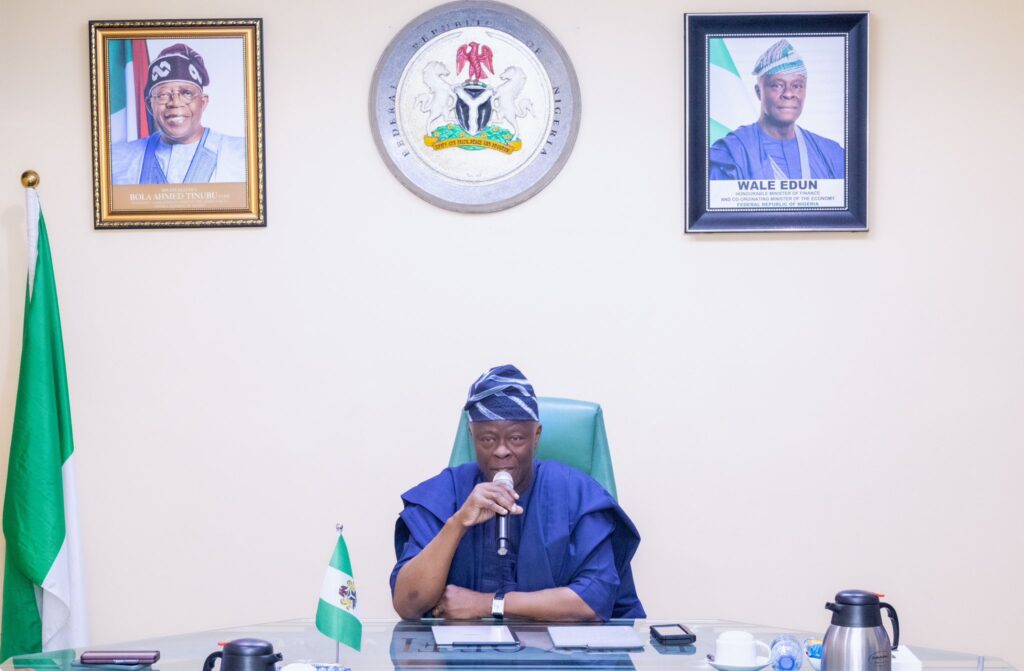
The Honourable Minister of Finance and Coordinating Minister of the Economy, Mr. Wale Edun, has introduced two major fiscal reforms aimed at revitalizing Nigeria’s oil and gas sector. These initiatives are part of the government’s broader efforts to attract investment, enhance energy security, and promote a transition to cleaner energy sources.
The two key measures announced include the Value Added Tax (VAT) Modification Order 2024 and the Notice of Tax Incentives for Deep Offshore Oil & Gas Production, in accordance with the Oil & Gas Companies (Tax Incentives, Exemption, Remission, etc.) Order 2024.
The VAT Modification Order 2024 introduces significant exemptions for essential energy products and infrastructure. These include Diesel, Feed Gas, Liquefied Petroleum Gas (LPG), Compressed Natural Gas (CNG), Electric Vehicles, Liquefied Natural Gas (LNG) infrastructure, and Clean Cooking Equipment. By eliminating VAT on these key items, the government aims to reduce the cost of living for Nigerians, improve energy security, and support the country’s shift towards cleaner energy solutions.
In parallel, the Notice of Tax Incentives for Deep Offshore Oil & Gas Production offers new tax reliefs for deep offshore oil and gas projects, positioning Nigeria’s deep offshore basin as a premier destination for global energy investments. This move is expected to attract significant international interest in Nigeria’s oil and gas sector and boost production in the region.
These reforms are aligned with the policy objectives outlined by President Bola Ahmed Tinubu under Policy Directives 40-42. They reflect the administration’s commitment to fostering sustainable growth in the energy sector and bolstering Nigeria’s competitiveness in global oil and gas markets.
The new fiscal incentives are part of a series of investment-driven policy initiatives championed by the Tinubu administration, aimed at stimulating economic growth and ensuring long-term prosperity for the nation.