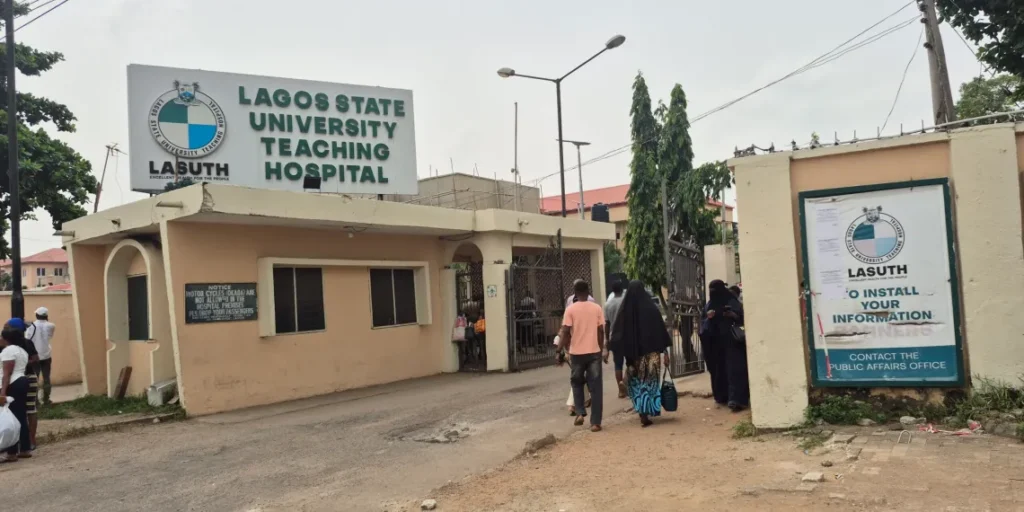
The ongoing strike by health workers under the Joint Health Sector Unions (JOHESU) in Lagos State continues to disrupt healthcare delivery across public hospitals, forcing patients to seek services outside government facilities and placing extra pressure on the available doctors and nurses.
According to observers, major public hospitals across Lagos showed that the strike has reduced manpower, shut down departments and increased pressure on patients and facilities.
Although emergency care and clinical consultations are still ongoing in many facilities, the withdrawal of non-clinical health workers has crippled essential services, including administration, pharmacies, laboratories, and medical records.
This has resulted in delays, overcrowding and higher out-of-pocket costs for patients.
JOHESU represents pharmacists, medical laboratory scientists, health information managers, physiotherapists, radiographers, engineers, cleaners and other support staff.
According to the Secretary of the JOHESU Lagos Council, Adegboyega Kabiawu, members of the union make up about 85 per cent of the health workforce, leaving doctors and nurses to operate with limited institutional support.
Mr Kabiawu said the scale of the union’s membership explains why the over two-month strike has had a widespread impact across primary, secondary, and tertiary health facilities in the state.
At the Alimosho General Hospital, Igando,
pharmacies and laboratories remained shut as the strike continued. Patients seeking medications were directed outside the hospital premises.
“They are on strike,” a security officer said. “You will have to get the drugs outside.”The officer added that a private clinic within the hospital compound was handling medical tests.
Patients said the shutdown of hospital pharmacies had increased their financial burden.“They are on strike, so we are getting the drugs outside,” said Chioma, who accompanied her mother to the General Outpatient Department.
Commenting on the federal government’s ‘no work, no pay’ directive, Mr Kabiawu said it fell within labour law provisions. He said members were prepared to endure hardship while pursuing what he described as their lawful rights.
Mr Kabiawu cautioned the Lagos State Government against adopting the same policy, warning it could worsen the dispute.
