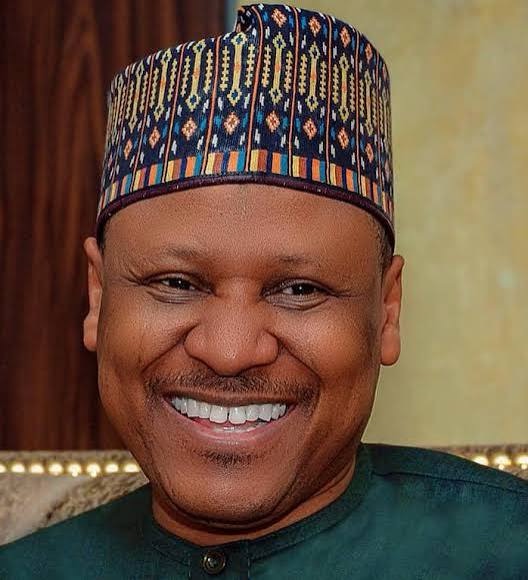
The Federal Government has called on Nigerians, professionals, institutions, and the private sector to take shared responsibility for enhancing and protecting the country’s international reputation through honest communication and tangible progress.
The call was made by the Honourable Minister of Information and National Orientation, Mohammed Idris, FNIPR, on Tuesday at the Nigeria Reputation Summit 2026 in Abuja.
Speaking at the event, the Minister described the unveiling of Nigeria’s first National Reputation Perception Index by the Nigerian Institute of Public Relations (NIPR) as a landmark step in understanding how the country is perceived both locally and abroad. “The report is not a verdict on Nigeria. It is a mirror. And as a responsible nation, we must have the courage to look into that mirror and act,” he said.
Idris commended NIPR, the Nigerian Reputation Management Group, and its leadership for producing the index after years of research, stressing that reputation building is a long-term effort requiring discipline and consistency.
While acknowledging that the report places Nigeria in a low-trust category, the Minister noted the significant progress made in the last two years under President Bola Ahmed Tinubu’s administration. “We are not where we used to be. While perception often lags behind reality, real progress is being made, and it must be communicated clearly, consistently, and honestly,” he said.
Highlighting Nigeria’s democratic stability, the Minister pointed out that the country has enjoyed 27 uninterrupted years of democracy, with open political participation and one of the freest media environments globally. “These are not small achievements. They speak directly to leadership, credibility, and trust, which are at the heart of national reputation,” he added.
On governance and the economy, Idris emphasized reforms aimed at strengthening local government autonomy, improving security through community-focused initiatives, and restoring fiscal discipline, including the removal of fuel subsidy and the unification of the foreign exchange system. “Difficult decisions were taken, but they were necessary. Today, inflation is easing, growth is stabilising, and our foreign reserves are improving,” he said.
The Minister also highlighted ongoing investments in infrastructure, healthcare, education, agriculture, and youth-focused innovation programmes, including student loans and venture funding for young entrepreneurs.
