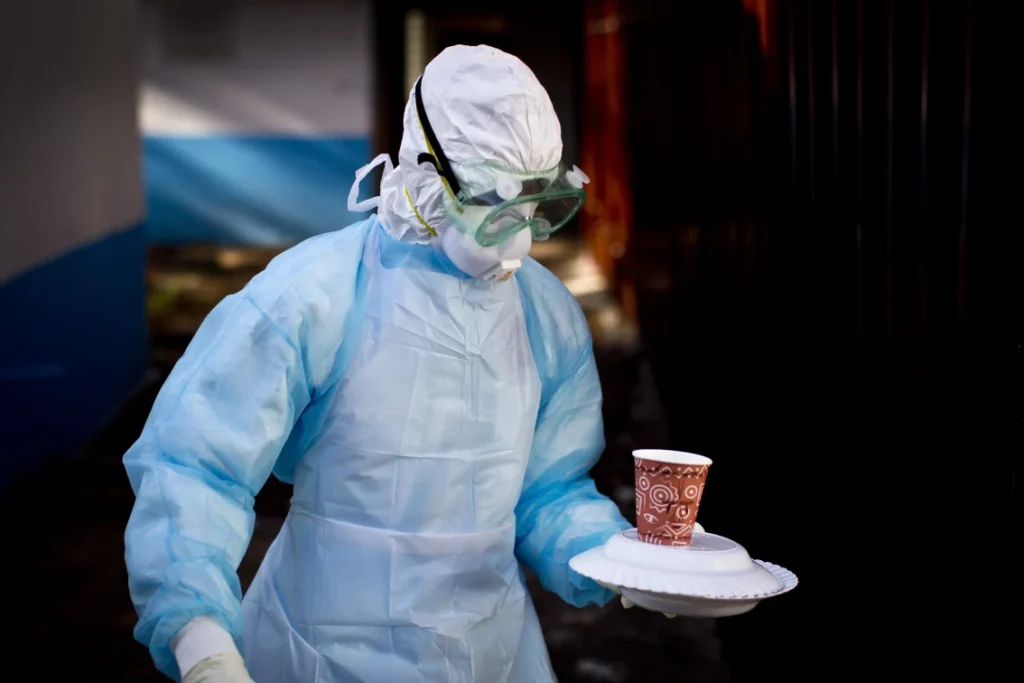
Rwanda is grappling with a deadly outbreak of Marburg hemorrhagic fever, which has claimed 11 lives, health authorities confirmed on Thursday. The East African nation is scrambling to find the origin of the virus, first detected among patients in healthcare facilities.
As of the latest government update, 36 cases have been confirmed, with 25 patients currently in isolation. The outbreak was officially declared on September 27, with six deaths reported the following day. However, the source of the virus remains elusive, stoking fears of further contagion. Isolating infected patients and their contacts is critical to curbing the spread of the highly infectious disease, which presents symptoms similar to Ebola.
WHO Warns of Regional Spread
The World Health Organization (WHO) has expressed concern over the potential for international transmission, particularly in the capital, Kigali. With an international airport and major road links to other East African cities, the risk of Marburg spreading across borders is high.
“WHO assesses the risk of this outbreak as very high at the national level, high at the regional level, and low at the global level,” said WHO Director-General Tedros Adhanom Ghebreyesus at a briefing on Thursday.
International Precautions and Cases in Germany
Testifying to the growing international concern, two people in Hamburg, Germany, were placed in isolation after returning from Rwanda, where they had been in a medical facility treating Marburg patients. While both tested negative, the incident led to heightened precautions, including cordoning off two railway tracks upon their arrival.
Rwanda’s Response and Vaccine Trials
In Rwanda, the virus has primarily affected healthcare workers across six districts, with some patients residing in areas bordering Congo, Burundi, Uganda, and Tanzania. Authorities have identified at least 300 people who had direct contact with confirmed cases, many of whom are now in isolation.
Rwanda’s Health Minister, Sabin Nsanzimana, announced on Thursday that clinical trials for a potential vaccine would begin “within days.” However, he did not specify which vaccine would be tested. Nsanzimana also said that 2,000 people have been tested for the virus, with 5,000 more test kits expected to arrive soon.
Strict measures have been implemented to control the outbreak. Public health advisories urge Rwandans to avoid physical contact, with school and hospital visits suspended. Additionally, restrictions on funeral attendance have been enforced, with home vigils prohibited for those who died of Marburg.
Marburg Fever: A Dangerous and Elusive Virus
Like Ebola, the Marburg virus is believed to originate from fruit bats and spreads between people through contact with bodily fluids or contaminated surfaces. With no authorized vaccine or treatment, the disease can be fatal in up to 88% of cases. Symptoms include fever, muscle pain, vomiting, and, in severe cases, death due to extreme blood loss.
Marburg has previously caused outbreaks in Tanzania, Equatorial Guinea, Angola, and other African nations. The virus was first identified in 1967 during simultaneous outbreaks in Marburg, Germany, and Belgrade, Serbia, which resulted in seven deaths among laboratory workers conducting research on monkeys.
As Rwanda continues its fight against the outbreak, health officials emphasize the importance of early detection and isolation to prevent further spread. For now, the small nation remains on high alert, hoping to avert a wider health crisis.
