In a bold move to reshape Nigeria’s oil and gas market, the Minister of Finance and Coordinating Minister of the Economy, Wale Edun, announced that the sale of crude oil and refined petroleum products in Naira officially commenced on October 1st, 2024. This follows the directive of the Federal Executive Council (FEC) and aims to bolster the local currency, boost foreign exchange reserves, and enhance the competitiveness of Nigeria’s energy sector.
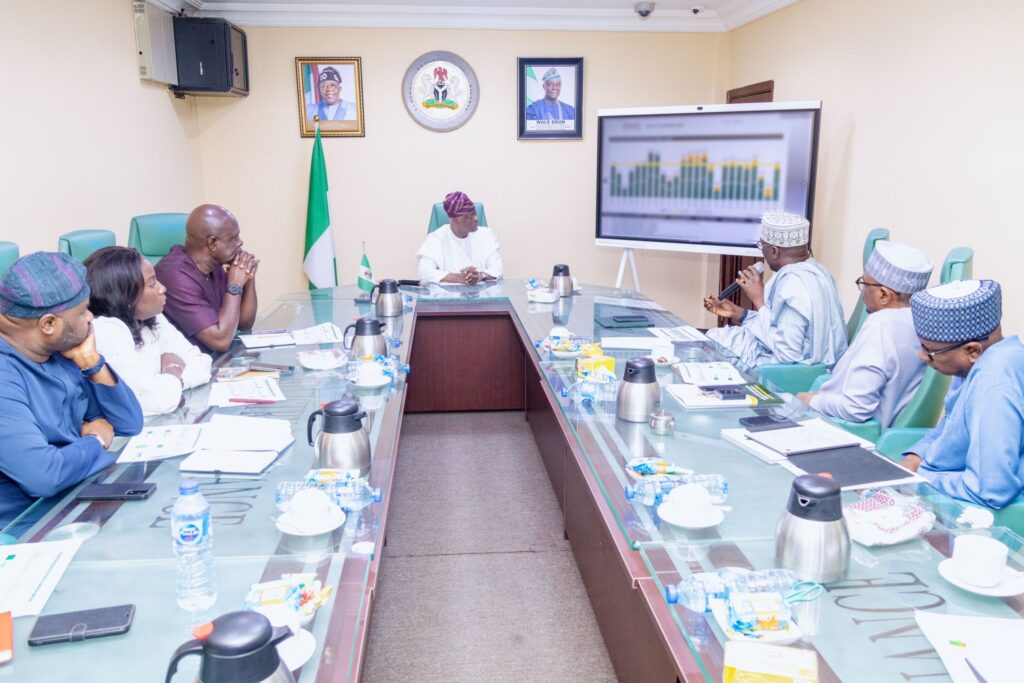
The announcement was followed by a meeting of the Implementation Committee on October 3rd, 2024. The post-commencement review of the initiative was chaired by Edun and reaffirmed the strategic importance of this policy. Several key stakeholders attended, including the Minister of State for Petroleum, the Special Advisers to the President on Revenue and Energy, the leadership of the Nigerian National Petroleum Company (NNPC), and representatives from the Dangote Group.

The initiative is expected to significantly impact Nigeria’s foreign exchange landscape, as the country moves to further integrate the use of the Naira in key sectors of the economy. The government’s long-term goal is to create a more sustainable and self-reliant economic structure, reducing the over-reliance on foreign currencies for trade.
Key stakeholders have expressed optimism about the potential benefits, though they acknowledge the challenges involved in implementing this policy on a national scale. The meeting highlighted the role of continued collaboration among government agencies, oil marketers, and regulatory bodies, such as the Nigerian Midstream and Downstream Petroleum Regulatory Authority (NMDPRA).
As the nation adapts to this shift, industry leaders are keen to ensure that it drives investment in local refining capacity, improves transparency in petroleum product sales, and strengthens Nigeria’s energy independence. The global oil market will be closely watching how this policy unfolds and what it could mean for both local and international buyers.
