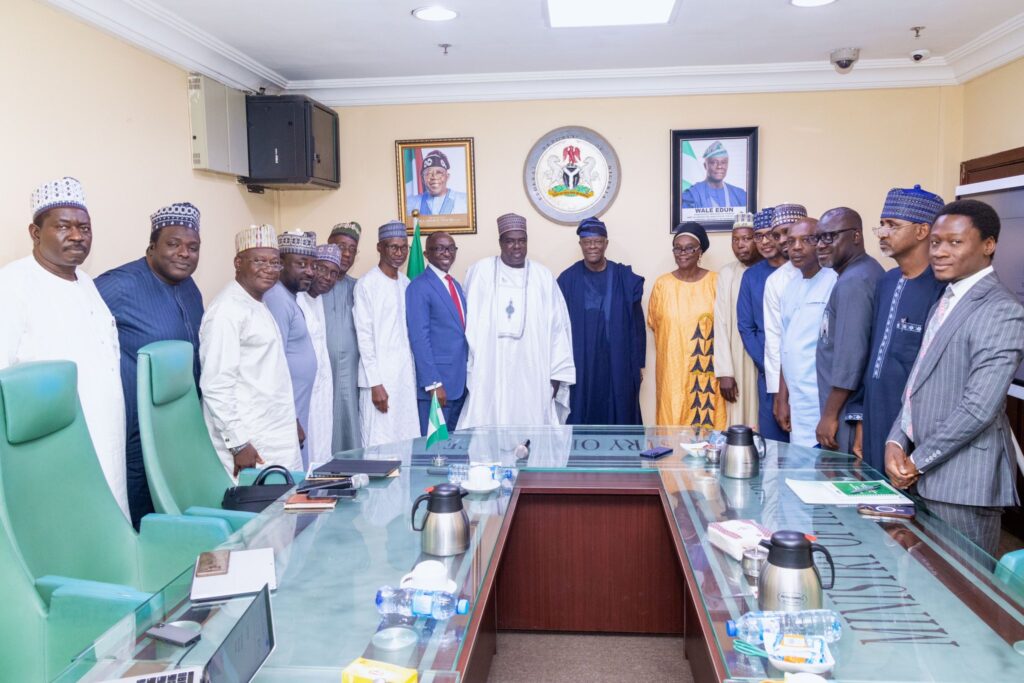
A delegation from Trans Sahara Consortium Limited, led by its Chairman, Senator Ibrahim Turak, met with the Honourable Minister of Finance and Coordinating Minister of the Economy, Mr. Wale Edun, on Friday to discuss the Consortium’s expansive agricultural initiatives aimed at boosting Nigeria’s agricultural productivity and addressing its trade deficit. The ambitious projects focus on increasing the nation’s soybean yields and expanding sugar production capacity.
During the meeting, Minister Wale Edun expressed strong support for the initiative, noting that it aligns with President Bola Tinubu’s strategic objectives of enhancing food security and strengthening the agricultural sector. He praised the projects for their potential to drive sustainable food production in Nigeria and to create a transformative impact on the economy. “This partnership offers an excellent opportunity to foster innovation and scale in agriculture, which are essential to achieving the government’s goals of economic diversification,” Edun stated.
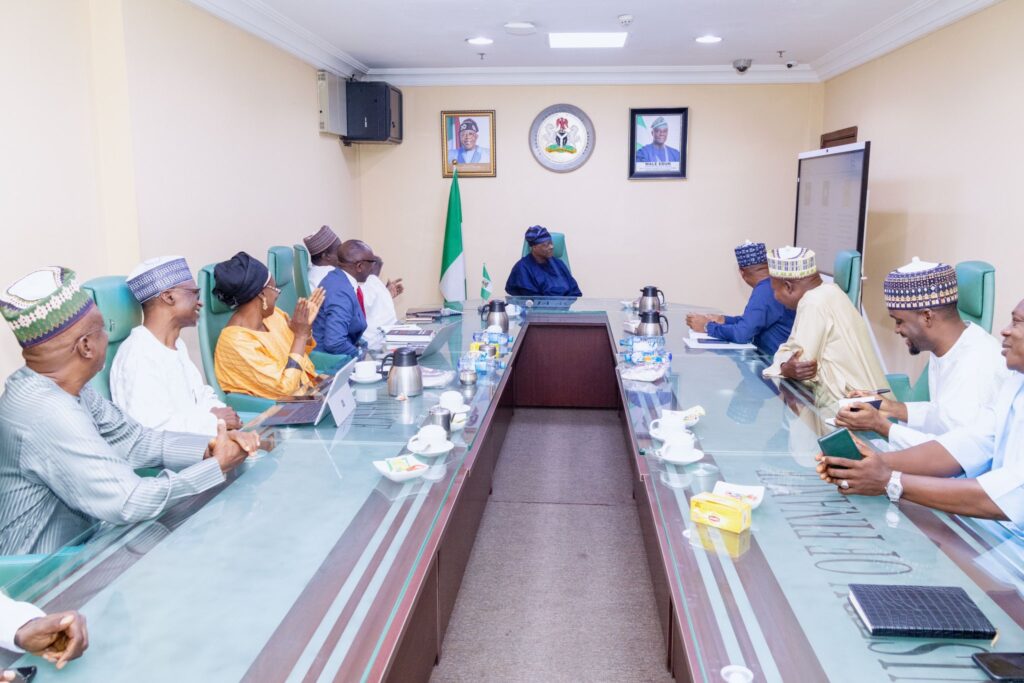
The Consortium’s plans include large-scale cultivation of three million hectares of soybean and the establishment of processing plants for sugarcane. These facilities will aim to produce millions of tons of sugar, both for domestic use and for export, helping to reduce Nigeria’s reliance on imports while contributing to the country’s economic growth.
Senator Ibrahim Turak emphasized the commitment of Trans Sahara Consortium to supporting Nigeria’s agricultural sector through technology and large-scale farming. The projects are expected to not only increase production volumes but also create significant employment opportunities and enhance the country’s position in the global agricultural market.
With the federal government’s backing and the promise of significant private sector investment, the partnership is seen as a critical step toward building a more resilient and self-sufficient agricultural economy in Nigeria.
