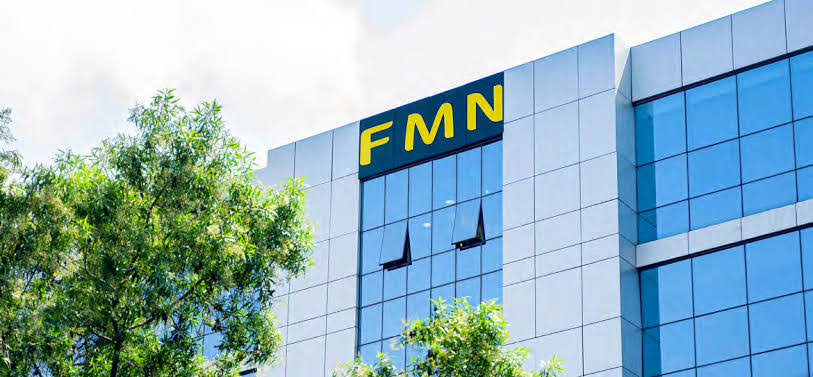
Flour Mills of Nigeria Plc, the country’s largest miller, has announced plans to invest up to $1 billion over the next four years to expand its operations and restructure following a move by its majority shareholder to take the company private. The company’s chairman, John Coumantaros, revealed this in an interview, stating that the investment is aimed at significantly boosting the company’s presence and capacity in Nigeria.
“This is about doubling down on investment in Nigeria,” Coumantaros said, highlighting the company’s commitment to growth amidst ongoing economic reforms. This investment will also provide a significant boost to President Bola Tinubu’s reform agenda, as the government looks to stabilize the economy and make the country more attractive to investors. Tinubu’s administration, since assuming office in May 2023, has implemented measures such as the free-floating of the naira and reducing fuel subsidies, which have reshaped the business landscape.
Flour Mills’ ambitious plans include investing $500 million into its sugar operations in Niger state, aiming to quadruple sugar production from 100,000 tons to over 400,000 tons annually. Additionally, $100 million will be allocated towards establishing a cassava-processing factory to eliminate the need for cassava starch imports, a critical ingredient in several industries. The company also plans to expand its breakfast cereal offerings, further solidifying its position in the Nigerian food industry.
The announcement comes at a time when some multinational companies, like Diageo Plc and Unilever Plc, are either reducing their exposure or exiting the Nigerian market due to economic challenges. Flour Mills’ significant investment contrasts these trends, positioning the company as a key player in Nigeria’s industrial and agricultural sectors during a time of critical economic transition.
This move is expected to not only enhance Nigeria’s self-sufficiency in key agricultural products but also provide a boost to local employment and infrastructure development, aligning with the government’s long-term vision of economic growth and sustainability.
