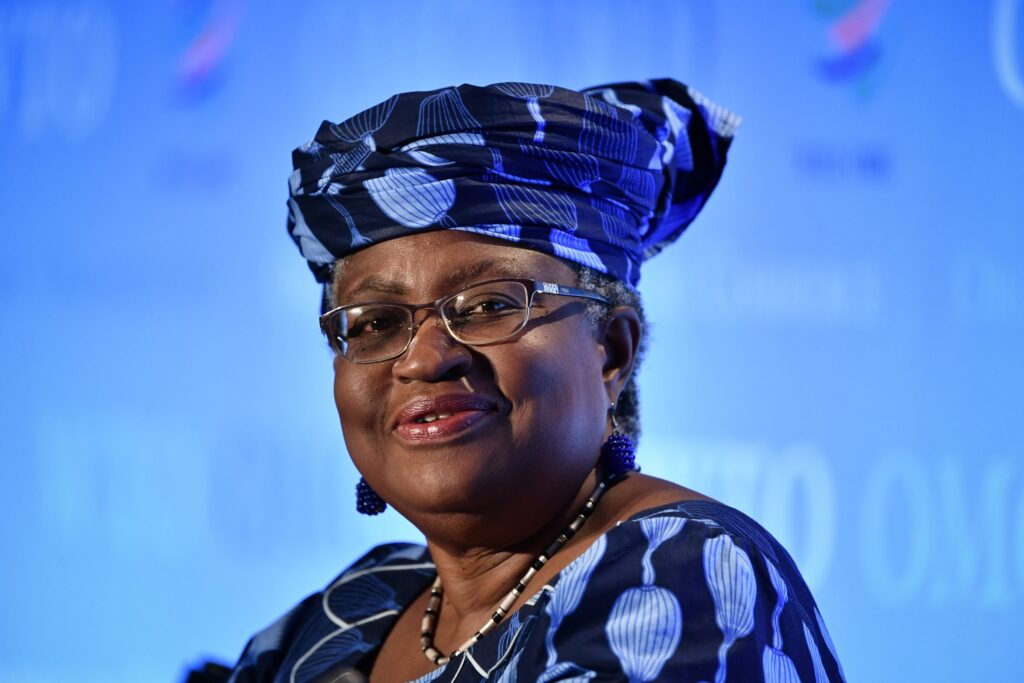
World Trade Organization (WTO) Director-General, Ngozi Okonjo-Iweala, has called for a threefold increase in renewable energy production and a doubling of energy efficiency by 2030 to meet the goals of the Paris Agreement on climate change. Speaking at the fifth Trade and Environment Week in Geneva, she stressed that trade policies now play a critical role in advancing environmental sustainability and driving the clean energy transition.
“We are at a turning point where trade policies are a key force for environmental sustainability and can support a people-centered clean energy shift,” Okonjo-Iweala said. She added that adjusting current tariffs that favor high-carbon goods over renewable energy equipment would reduce costs and promote the use of low-carbon technologies. Tackling fossil fuel subsidies, she noted, could further drive innovation and cut emissions.
Okonjo-Iweala also highlighted the need for trade policies to align standards and certifications, which would provide the policy stability required for widespread adoption of renewable energy systems.
In a video address, Inger Andersen, Executive Director of the United Nations Environment Programme (UNEP), stressed the urgency of reducing greenhouse gas emissions, saying, “Emissions must drop, and drop fast.” She emphasized responsible and sustainable use of critical minerals in the renewable energy transition.
Celeste Saulo, Secretary-General of the World Meteorological Organization (WMO), called for climate data to be integrated into energy policies, urging a global effort to share technology and build resilient infrastructure to ensure sustainable renewable energy systems.
Francesco La Camera, Director-General of the International Renewable Energy Agency (IRENA), warned that while renewable energy is now the cheapest source of electricity, global markets remain skewed towards fossil fuels. He pushed for swift reforms, including reducing tariffs on renewable energy technologies and establishing international standards for green goods and services. La Camera cautioned that failing to act quickly could make it impossible to meet the Paris Agreement’s 1.5°C target.
Chilean Ambassador Sofía Boza echoed the call for trade and environmental policies to work together, stating that the clean energy transition offers opportunities for economic diversification and adding value to exports.
The discussions underscored the need for global trade policies to align with climate action to ensure sustainable development and effectively combat climate change.