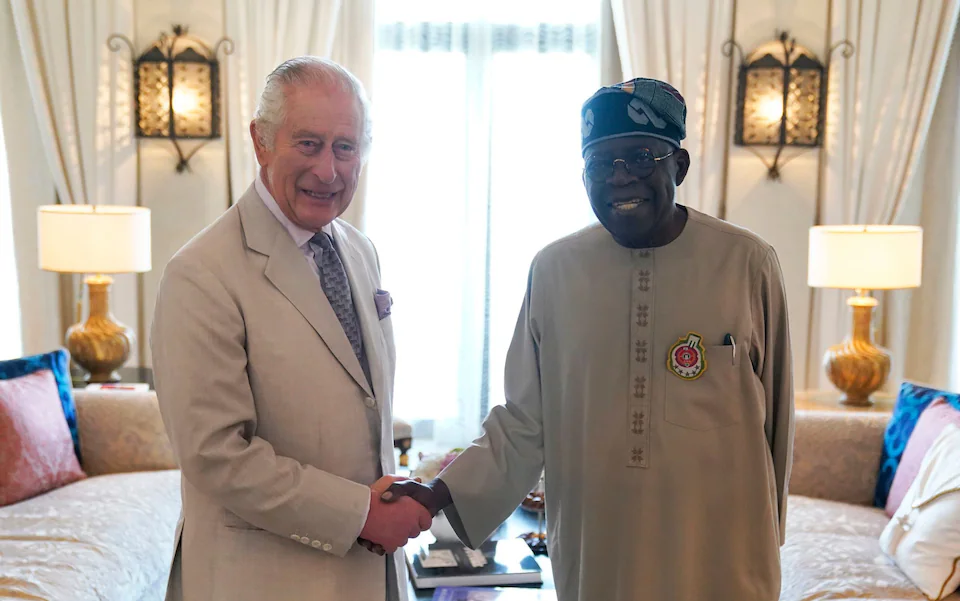
This week, Commonwealth leaders are gathering on the island of Samoa for the bi-annual Commonwealth Heads of Government Meeting (CHOGM), where crucial discussions on free and fair trade, security, and climate action are taking center stage. The summit brings together 56 member nations, all bound by shared values and a commitment to global rules.
As the world shifts towards global alliances based on common interests rather than geographic proximity, the relevance of the Commonwealth is being reasserted. Despite occasional questions about its purpose and future, particularly in light of more members becoming republics, the organisation continues to thrive. With two-thirds of its members now republics, the Commonwealth has shown resilience, evolving with the changing political landscapes of its members.
Nigeria, a key voice at the summit, has called for a reimagining of Commonwealth economic cooperation. President Bola Tinubu is pushing for deeper intra-Commonwealth trade, especially between African member states and larger economies like the UK, India, and Australia. Nigeria is advocating for stronger bilateral trade agreements, such as those proposed between the UK and the African Continental Free Trade Area (AfCFTA), to unlock untapped trade potential and create a web of interconnected economies within the Commonwealth.
President Tinubu also urged larger Commonwealth nations to prioritize imports from African members, particularly in the agricultural sector, where preferential trade agreements could boost local industries and reduce migration by creating better job opportunities at home. “There’s no reason why African coffee or fresh produce couldn’t be offered to Western Commonwealth members at preferential rates,” said Tinubu, emphasizing the need for investment in local processing industries.
Another significant issue on Nigeria’s agenda is Africa’s lack of permanent representation on the United Nations Security Council (UNSC). With 70% of the Security Council’s resolutions focused on Africa since the end of the Cold War, Nigeria and other African nations are calling for Commonwealth support to secure a permanent seat for Africa. Tinubu believes that backing from the Commonwealth could be a game-changer in advancing this bid, amplifying the bloc’s global influence.
As the world embraces multi-continental trade and governance networks like the Comprehensive and Progressive Agreement for Trans-Pacific Partnership (CPTPP) and the Alliance of Small Island States (AOSIS), the Commonwealth’s convening power remains significant. The meeting in Samoa reinforces the importance of this historic global alliance in addressing pressing international challenges and fostering cooperation among its diverse member nations. Far from being a relic of the past, the Commonwealth is positioning itself as a crucial platform for advancing economic and geopolitical interests in a rapidly evolving world.