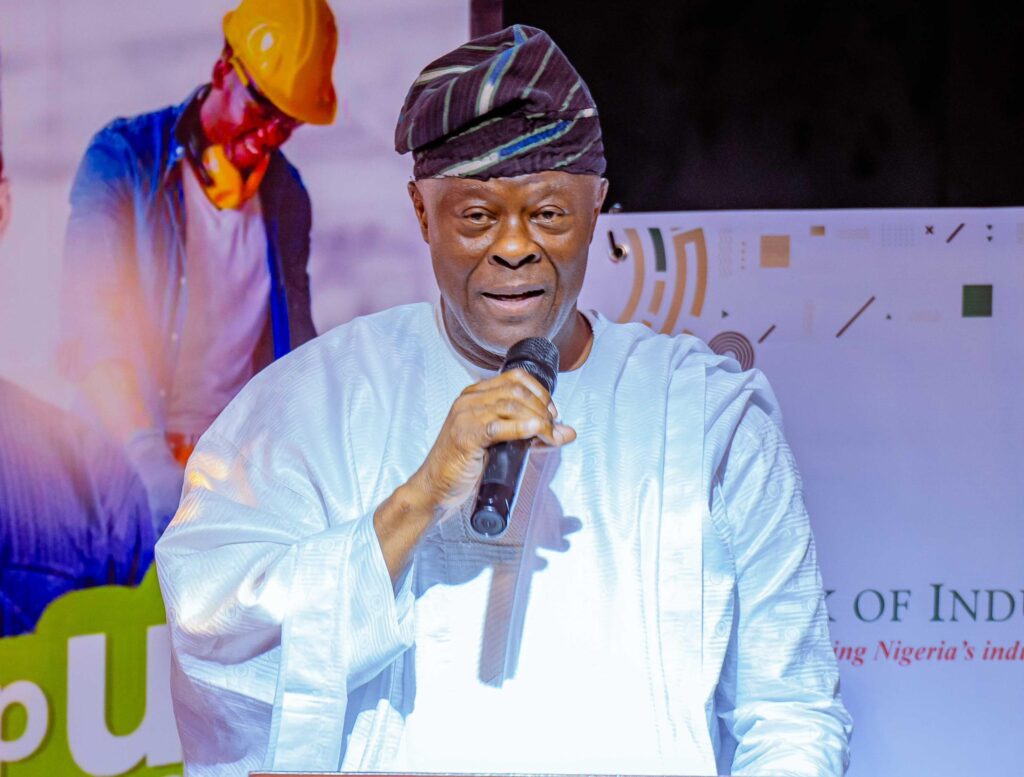
The Minister of Finance and Coordinating Minister of the Economy, Mr. Wale Edun, has announced the federal government’s plan to increase the Value Added Tax (VAT) to 15%, primarily affecting luxury goods. This measure, aimed at boosting revenue, was disclosed during an investor meeting at the ongoing IMF/World Bank Annual Meetings in Washington, D.C.
Mr. Edun emphasized that the VAT increase would not affect essential goods consumed by poorer Nigerians. Essential items will either remain exempt from VAT or be subject to a zero rate, ensuring that vulnerable populations are shielded from the impact of the tax hike.
“President Bola Tinubu’s commitment is that while implementing difficult and wide-ranging but necessary reforms, the poorest and most vulnerable will be protected,” Edun assured. He added that the proposed bill, currently before the National Assembly, outlines a gradual increase in VAT on luxury goods, ensuring that wealthier citizens contribute more to the nation’s revenue.
A comprehensive list of essential items exempt from VAT will be published soon to inform the public and maintain affordability for average Nigerians.
In addition to discussing VAT reforms, Mr. Edun expressed optimism about Nigeria’s oil sector, highlighting improved security in oil-producing regions and new investments from companies like Total and ExxonMobil. These developments, he noted, are expected to boost oil production and increase foreign exchange inflows.
On the issue of fuel subsidy removal, Edun reiterated that the reform was fully implemented last month and that the resulting savings will soon begin to positively impact the economy.
Addressing speculation about Nigeria entering an IMF program, Mr. Edun revealed that the Tinubu administration chose to issue Domestic Dollar Bonds despite advice from the IMF to the contrary. While Nigeria remains a member of the IMF, he emphasized the country’s autonomy in making key financial decisions.
The government’s approach reflects its commitment to both reform and economic stability while ensuring that the wealthiest bear the brunt of new fiscal policies, with the poorest being protected.
