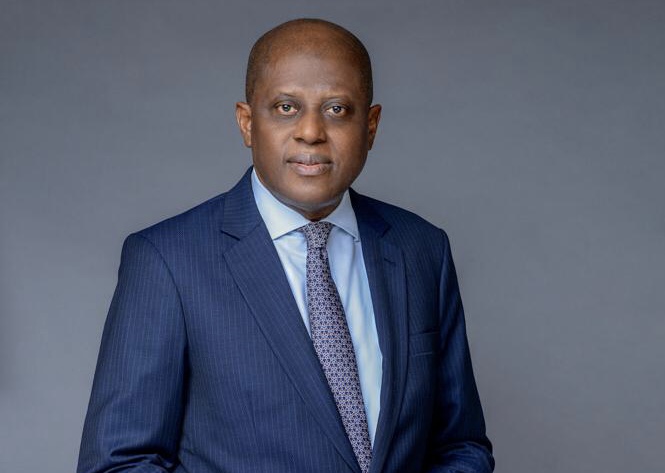
Olayemi Cardoso, Governor of the Central Bank of Nigeria (CBN), emphasized the importance of ongoing government reforms in positioning Nigeria for sustainable economic growth during his address at the Financial Times Africa Summit in London on Tuesday, as reported by Reuters.
Cardoso acknowledged that economic growth may remain moderate, projecting a rate of around 3.6% for 2025 in line with World Bank forecasts. However, he expressed optimism that current reforms would significantly enhance Nigeria’s growth potential. “With the reforms that are being taken right now, it will put Nigeria in a far better position to see the increase on the growth side,” he stated.
Inflation in Nigeria surged to 32.70% in September, driven by rising food and energy prices, reversing a trend of two consecutive months of decline. The recent spike in inflation has been further exacerbated by the government’s removal of petrol and electricity subsidies, as well as two devaluations of the naira since President Bola Tinubu took office in May 2023.
While Cardoso anticipates that overall inflation will moderate in the coming months, he noted that food inflation remains “stickier.” He confirmed that the central bank is collaborating closely with the government to tackle these challenges. “Now is not the time for the country to pull back on its reforms,” he urged, highlighting that these efforts have started to attract significant interest from foreign investors.
Cardoso cited high-profile visits from global finance leaders such as Citigroup CEO Jane Fraser and JPMorgan CEO Jamie Dimon, reflecting a growing recognition of Nigeria’s economic potential. He remarked, “There is an enormous amount of interest now, recognizing the fact that the Nigerian currency is relatively moderated and has made our economy a lot more competitive.”
The CBN governor also reported positive outcomes from recent measures aimed at restoring investor confidence, noting a marked reduction in complaints regarding access to foreign exchange. “Now, the market is a lot deeper… and it (forex) is available,” Cardoso affirmed.
On Tuesday, the naira showed signs of recovery, strengthening in the official trading window on the FMDQ Exchange to 1,630.45/$ from 1,670.65/$, with daily turnover rising to $242.59 million from $81.17 million on the previous day. This development indicates a more stabilized currency market, crucial for fostering investment and economic growth in Nigeria.
