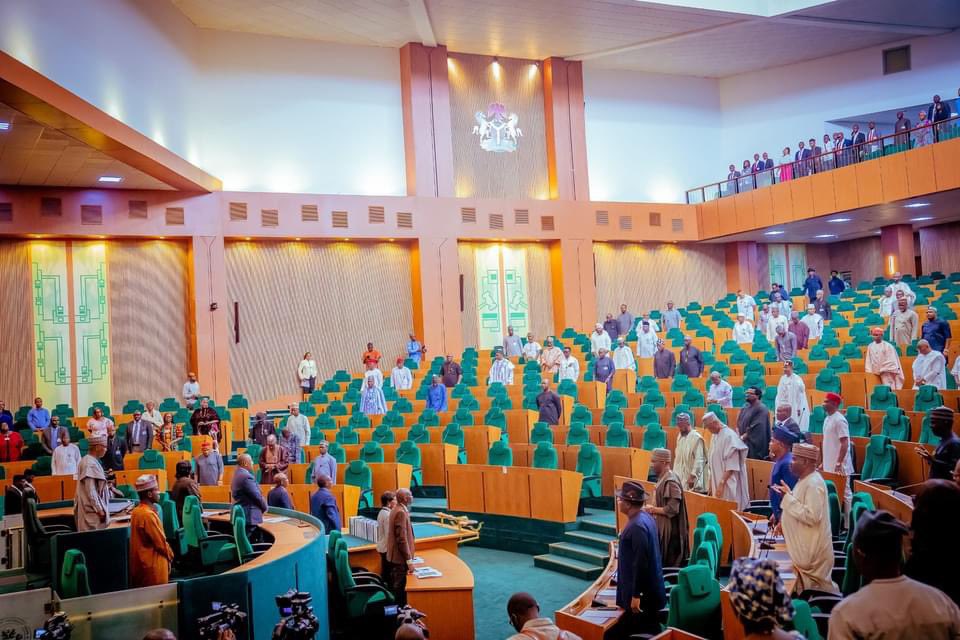
The Nigerian House of Representatives has urged the Federal Government to create a comprehensive plan for incorporating indigenous refiners into the nation’s petroleum value chain. The call was prompted by a motion from Deputy Minority Whip George Ozodinobi, who highlighted the need to reform and regulate Nigeria’s petroleum industry to include artisanal refiners, particularly those operating in the Niger Delta.
Ozodinobi emphasized that integrating local refiners is essential to maximizing Nigeria’s resources, reducing energy poverty, and mitigating environmental damage caused by unregulated refining practices. “For decades, we’ve seen lives and revenue lost due to the government’s failure to recognize, regulate, and control artisanal refining, which has long been practiced in the Niger Delta,” Ozodinobi said.
The lawmaker pointed to a 2016 Federal Government proposal to include artisanal refiners in mainstream oil and gas operations, with the goal of boosting local content and supporting home-grown petroleum refining technologies. However, he noted that little progress has been made in formalizing this integration.
Ozodinobi criticized the stigmatization of artisanal refiners as “oil thieves,” stating that the government’s approach of deploying security forces to dismantle unlicensed refineries exacerbates environmental degradation in the Niger Delta. He added that the neglect of local refiners has contributed to the decline of Nigeria’s own refining capacity, which is now reliant on crude oil exports while importing refined petroleum.
Citing examples from countries like Japan, the United States, and China, Ozodinobi argued that Nigeria should support and develop indigenous technology in the petroleum industry. He expressed concern over ongoing fuel shortages and suggested that alleged sabotage of the Dangote Refinery has further compounded the country’s energy challenges.
Following Ozodinobi’s motion, House members unanimously backed the call for a blueprint to include artisanal refiners in Nigeria’s oil production value chain. Deputy Speaker Benjamin Kalu, who presided over the session, directed the Nigerian Upstream Petroleum Regulatory Commission to develop a regulatory framework for the formal integration of artisanal refiners.
The House also assigned its Committees on Petroleum Resources—Downstream, Upstream, and Midstream—as well as Local Content to ensure compliance and to report back within four weeks for further legislative consideration.
