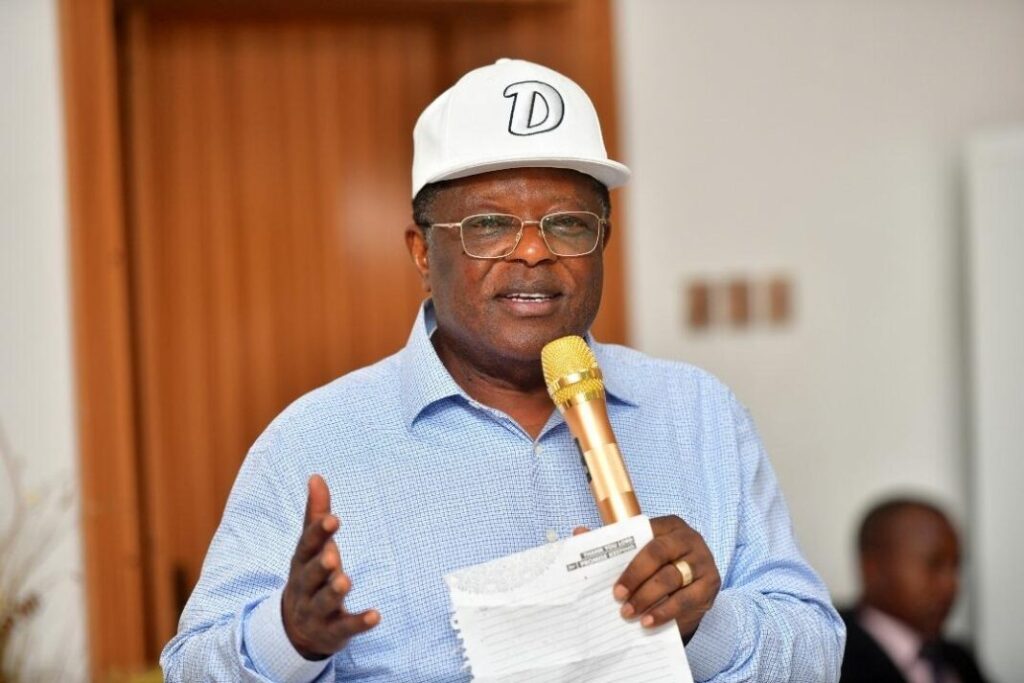
The Federal Government has earmarked N18 billion to compensate property owners affected by the construction of the Lagos-Calabar coastal highway, Minister of Works David Umahi announced on Sunday. These funds will go to property owners impacted by the first section of the project, with full payments expected within the next 10 days.
Speaking during a stakeholder meeting, Umahi acknowledged his frustration with the compensation process but emphasized that legal obligations must be met. “My hands are tied by the law,” he stated. “Initially, N8 billion was approved for compensation, but this has now grown to N18 billion. For transparency, we’ll make all details publicly available, including names, photos, and property dimensions.”
Umahi added that half of the compensation had already been paid and instructed the Lagos Federal Controller of Works, Olukorede Keisha, to complete the remaining payments promptly. He also mentioned ongoing legal cases surrounding compensation and affirmed the ministry’s commitment to comply with any court decisions.
In discussing other projects, Umahi shared that several contracts had been terminated due to delays. This includes parts of the Lokoja-Benin road and the second phase of the Lagos-Ibadan project, which will now be reallocated through selective tendering.
“Some projects have been stalled for over a decade,” Umahi said. “While contractors may view these actions as harsh, it’s necessary to ensure progress.”
Umahi also raised concerns over structural issues with major bridges, requesting ₦341 billion for repairs. “The Third Mainland Bridge has serious damage beneath the surface and underwater due to saltwater exposure,” he noted, adding that international experts are consulting on the repairs.
He cited underwater erosion and illegal sand mining as factors weakening bridge foundations nationwide. Currently, Julius Berger, along with independent consultants, is assessing these structures to develop a solution, which will be presented to the federal government and National Assembly for emergency funding.
To ensure accountability, Umahi announced a stricter evaluation of contractors’ equipment, warning that any company failing to meet requirements would have their contracts revoked.
Umahi concluded by thanking the National Assembly for its involvement in the 2025 budget discussions, aimed at prioritizing key projects. With the President’s backing, he expressed confidence in achieving the ministry’s infrastructure goals.
