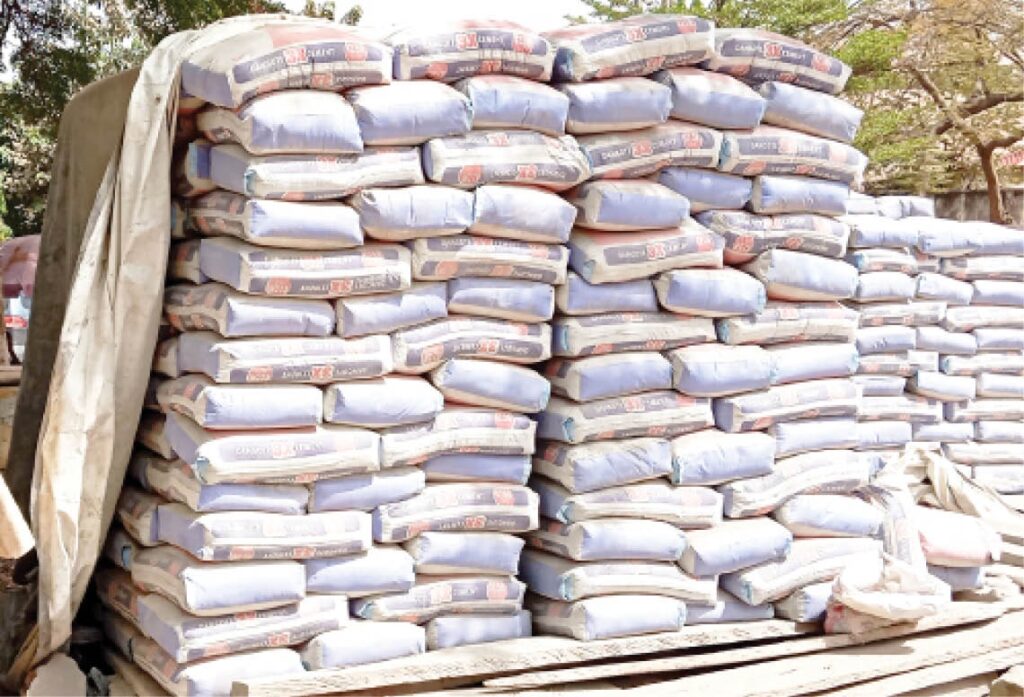
The cost of cement in Nigeria has surged to an unprecedented N8,800 per bag, marking a significant increase in the price of a key construction material amid a broader rise in the cost of building materials. This price spike has left many Nigerians concerned as it impacts housing, infrastructure, and other development projects nationwide.
Over the past few months, Nigeria’s construction sector has grappled with increasing prices of essential building materials, including steel, sand, and granite, putting additional financial strain on construction companies and private builders alike. Cement, a critical material in construction, has seen its price double from N4,500 per bag in early 2023 to the current rate, a trend largely driven by inflationary pressures, supply chain disruptions, and a devaluation of the Naira.
Experts say this increase could delay ongoing construction projects, increase rent prices, and hamper the government’s commitment to tackling the country’s housing deficit. “The rising costs of cement and other materials are adding significant financial burdens to developers,” said Musa Abdullahi, a construction economist in Abuja. “Ultimately, this translates to higher costs for end-users, whether they’re buying or renting homes.”
According to local market reports, the cement price hike has impacted builders in both urban and rural areas, with some small-scale construction firms halting operations due to unsustainable expenses. Builders and industry insiders cite the rising cost of diesel, used to power machinery and transport materials, as a contributing factor.
The Nigerian government is reportedly looking into the crisis, with some officials suggesting the need to boost local production capacities or consider import waivers to stabilize prices. As the nation waits for a solution, homeowners and developers are left hoping for relief from the surge in building costs.
The construction industry has been a crucial contributor to Nigeria’s economy, employing millions and stimulating other sectors. With material prices at all-time highs, the future of affordable housing projects remains uncertain, threatening a critical sector of the economy and the aspirations of many Nigerians seeking home ownership.
