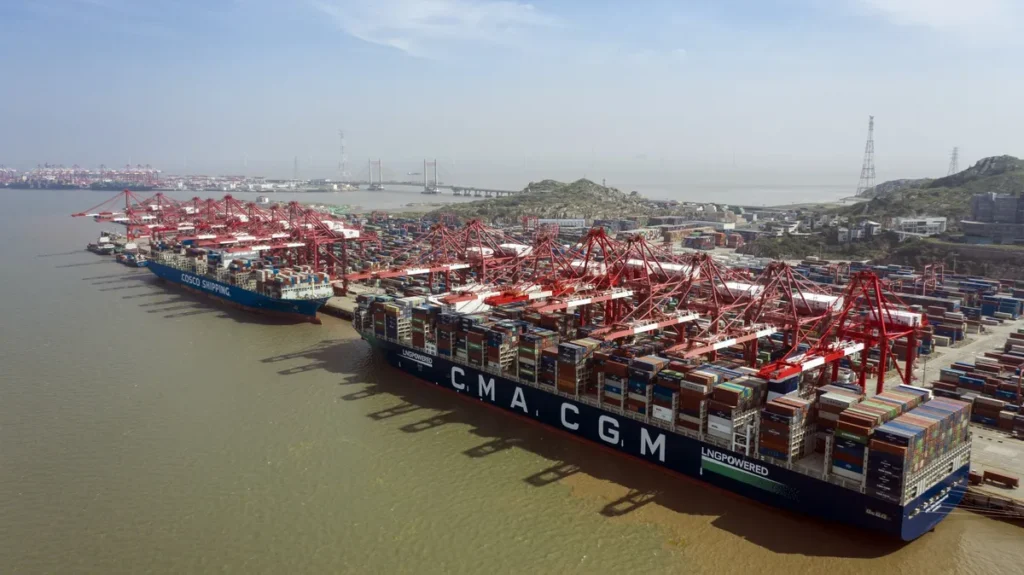
China’s trade surplus is on track to reach a record $1 trillion this year, setting the stage for escalating trade tensions with some of the world’s largest economies, including the United States. According to Bloomberg calculations, if the current trajectory holds, China’s trade balance could reach unprecedented levels by year’s end, which may provoke a strong response from President-elect Donald Trump and other global leaders concerned about imbalances in global trade.
Data released last week revealed that China’s goods trade surplus had reached $785 billion in the first ten months of 2024, a 16% increase from the same period in 2023. The widening gap between Chinese exports and imports underscores China’s growing economic dominance but also highlights a potential friction point with trading partners who may view the trade surplus as a competitive threat and a sign of a skewed global economy.
Economists point out that China’s robust export growth has been driven by a combination of factors, including strong global demand for Chinese electronics, machinery, and consumer goods. Simultaneously, China’s imports have slowed, partly due to weaker domestic demand and reduced commodity imports. This imbalance has amplified calls from international leaders for China to adjust its trade policies to better balance global commerce.
Trump, who is set to assume office early next year, has repeatedly criticized China’s trade practices and has pledged to address trade imbalances, particularly through measures such as tariffs, which he argues would help protect American industries and jobs. A U.S.-China trade confrontation could have widespread consequences for the global economy, potentially impacting supply chains, consumer prices, and financial markets worldwide.
Beijing has responded to such criticisms in the past by emphasizing its role as a responsible global trading partner, attributing its surplus to market forces and competitive manufacturing. However, experts warn that continued trade imbalances could lead to tariffs, stricter trade policies, or other retaliatory measures from affected countries, creating volatility in the global economy.
With tensions simmering and China’s trade surplus on an upward trajectory, 2025 could see heightened trade disputes as the world grapples with balancing national interests and global economic stability.