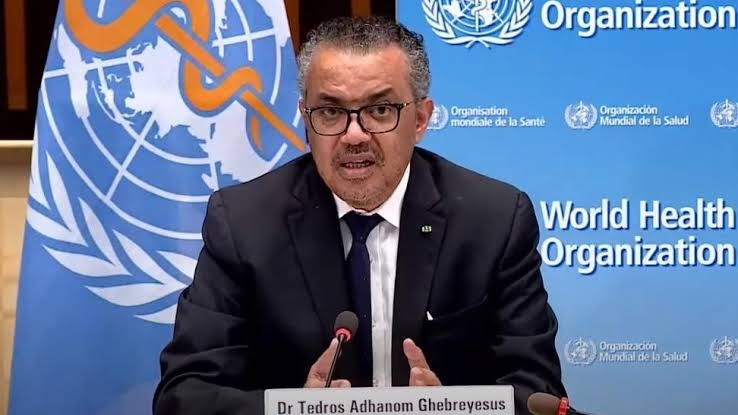
Countries negotiating a global treaty on pandemic prevention, preparedness, and response resumed talks at the World Health Organization (WHO) headquarters in Geneva on Monday, with WHO Director-General Tedros Adhanom Ghebreyesus expressing optimism about reaching an agreement.
The negotiations come three years after the decision to draft the accord during the height of the COVID-19 crisis. Addressing representatives from the UN health agency’s 194 member states, Tedros said, “You know your task and what is at stake. Be proud of what you’ve achieved in the past three years and confident that the end is in sight—it’s closer than you think.”
Tedros urged negotiators to finalize outstanding issues by the end of the year, highlighting the rare speed at which the agreement is progressing compared to the typically slow process of international treaty-making. However, key details remain unresolved.
“For the pandemic agreement to be meaningful, it must include strong provisions for prevention, continued preparedness, and a robust, resilient, and equitable response,” Tedros said. “An imbalanced pandemic agreement is not an agreement.”
Focus of the Current Talks
This week’s session resumes the 12th round of negotiations, which began earlier in November. Key topics under discussion include:
• Research and development
• Sustainable financing
• Technology and knowledge sharing for pandemic-related health products
• Prevention and surveillance
• The proposed pathogen access and benefit-sharing system, considered the core of the agreement
On Friday, negotiators will assess their progress and determine whether to convene a special session of the World Health Assembly (WHA) to adopt the finalized agreement. Arranging such a session requires 35 days’ notice.
Urgency Amid Political Shifts
The timeline for reaching an agreement is influenced by political considerations, including the potential return of Donald Trump to the U.S. presidency in January. Trump, a vocal critic of the WHO, previously began the process of withdrawing the U.S. from the organization, accusing it of favoring China.
Negotiation co-chairs Precious Matsoso and Anne-Claire Amprou acknowledged the urgency of this week’s talks. Matsoso expressed hope that most issues could be resolved, while Amprou called the session “crucial” for advancing the treaty and urged pragmatism and flexibility.
“This is becoming urgent,” Amprou stressed, as countries work toward a historic agreement to strengthen global health security.
