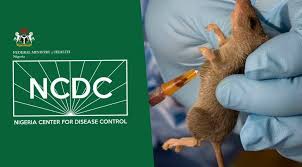
The Nigeria Centre for Disease Control and Prevention (NCDC) has reported 1,154 confirmed cases of Lassa fever out of 9,492 suspected cases, with 190 deaths recorded so far in 2024.
At a press briefing in Abuja on Monday, NCDC Director General, Jide Idris, announced that the Emergency Operations Centre had been activated in response to the outbreak, with a high-risk assessment in place.
Idris emphasized that the agency is actively addressing the ongoing Lassa fever outbreak, which is at its peak season. Lassa fever is an acute viral hemorrhagic fever caused by the Lassa virus, which is naturally hosted by the multimammate rat (also known as the African rat). Other rodents can also carry the virus.
Transmission occurs through direct contact with urine, feces, saliva, or blood from infected rats, or through objects, surfaces, and food contaminated by these bodily fluids. Person-to-person transmission is possible through contact with the bodily fluids of an infected person.
“Lassa fever remains endemic in Nigeria, presenting a significant public health risk across all states,” said Idris. “The disease occurs year-round, with peak transmission typically recorded between October and May. Outbreaks are most common during the dry season, when human exposure to rodents is highest.”
As of now, there have been 9,492 suspected cases, with 1,154 confirmed and 190 deaths. Six states—Ondo, Edo, Bauchi, Taraba, Benue, and Ebonyi—account for 89% of the confirmed cases. Ten local government areas (LGAs) account for nearly 59% of the confirmed cases.
Idris noted that the number of cases and deaths has surged in the past four weeks, indicating the outbreak’s severity. The case fatality rate remains high at over 13%, with a rise in suspected cases compared to the same period in 2023, attributed to enhanced surveillance.
The Director General highlighted that most cases continue to emerge from endemic states like Bauchi, Ondo, Edo, Taraba, Ebonyi, and Enugu, and called for targeted interventions in these regions.
He emphasized the need for a coordinated response to reduce cases and deaths. The NCDC has taken proactive measures, including activating the Emergency Operations Centre (EOC) for better coordination and response, and categorizing the risk as high. Efforts are focused on states experiencing increased case burdens.
Medical supplies, infection control materials, and laboratory diagnostic tools have been distributed nationwide, and Lassa fever testing laboratories have been expanded from nine to 13, with plans for more upgrades. Rodent control initiatives have also been carried out in high-burden states like Edo, Ebonyi, Ondo, and Benue.
Idris urged the public to maintain clean environments, store food properly, avoid drying food on the ground, discourage bush burning, and practice good hygiene. He also advised healthcare workers to follow standard infection control practices and to be vigilant in diagnosing Lassa fever in patients with febrile illnesses. Healthcare providers were urged to report suspected cases to local Disease Surveillance and Notification Officers for timely diagnosis and action.
The NCDC remains committed to public health protection through coordinated responses and collaboration with stakeholders to reduce the impact of Lassa fever nationwide.
