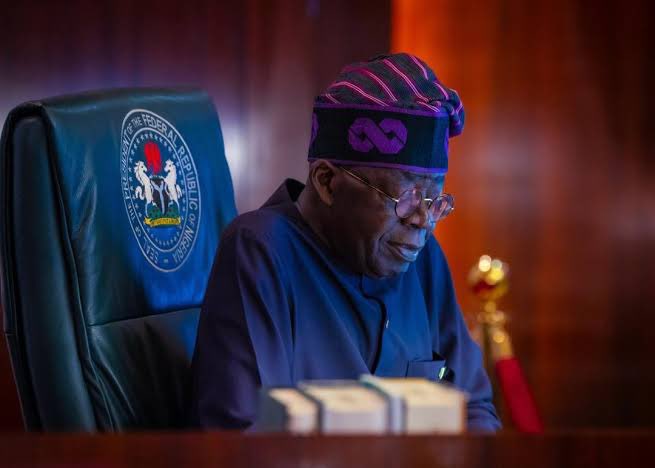
President Bola Tinubu has reiterated his unwavering stance on the removal of fuel subsidies in May 2023, stating that the decision was necessary for Nigeria’s economic stability. Speaking during a media chat at his Bourdillon residence in Ikoyi, Lagos, on Monday, Tinubu insisted he had no regrets about the bold move, despite its widespread impact on citizens.
“I don’t have any regrets whatsoever in removing petrol subsidy,” Tinubu said. “We were spending our future, deceiving ourselves. That reform was necessary. Nigeria cannot continue to be Father Christmas to neighbouring countries.”
The President argued that the removal of subsidies has introduced healthy competition within the petroleum sector, leading to a gradual reduction in petrol prices. “The market is being saturated. No monopoly, no oligopoly—a free market economy is flowing,” he explained.
Tinubu also dismissed the idea of price controls, emphasizing his commitment to fostering a free-market economy. “I don’t believe in price control. We will work hard to supply the market,” he said.
Challenges and Fallout
Nigeria, Africa’s largest oil producer, has faced significant energy challenges, with its state-owned refineries remaining non-operational. The country relies heavily on imported refined petroleum products, with the state-run Nigerian National Petroleum Company (NNPC) serving as the primary importer.
Following the subsidy removal, petrol prices skyrocketed from around N200 per litre to over N1,000 per litre, causing widespread hardship. Fuel queues became commonplace, and many Nigerians struggled with the high costs of powering vehicles and generators in a country plagued by unreliable electricity supply.
Additionally, the government’s decision to unify forex windows led to a sharp devaluation of the naira, with its exchange rate plummeting from N700 to over N1,600 per dollar on the parallel market. This triggered soaring inflation and a dramatic rise in the prices of food and other basic commodities, further straining citizens.
Looking Ahead
Despite the immediate hardships, Tinubu remains confident in the long-term benefits of his reforms, positioning them as crucial steps toward a more sustainable economy. However, the impact of these decisions continues to be a subject of heated debate, as Nigerians grapple with the reality of higher living costs and inflationary pressures.
As the administration works to stabilize the economy, many citizens are calling for additional measures to cushion the effects of these reforms, particularly for the most vulnerable populations. Tinubu’s insistence on fostering a competitive and open market reflects his vision for structural economic change, but its success will depend on how quickly Nigerians can see tangible improvements in their daily lives.
