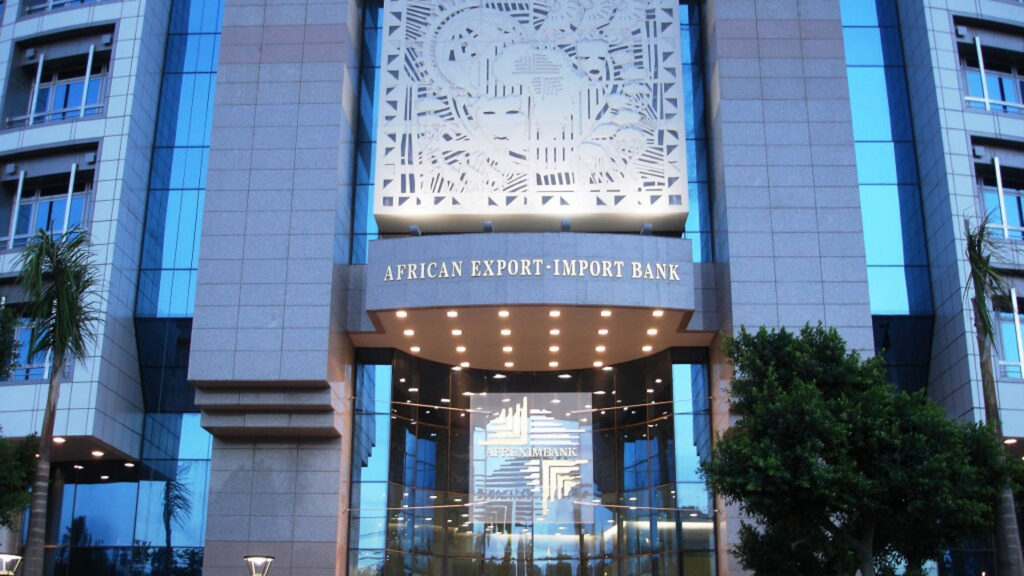
The African Export–Import Bank (Afreximbank) has announced a $3 billion commitment to finance the intra-African purchase of refined petroleum products, as part of a broader strategy to strengthen the continent’s energy independence and scale up refining capacity.
Speaking at an energy conference in Cape Town on Monday, Kanayo Awani, Executive Vice-President at Afreximbank, said the initiative is part of the bank’s push to reduce Africa’s heavy reliance on imported fuel.
“Africa must take control of its energy destiny,” Awani stated. “This facility will provide financing for the purchase of products such as premium motor spirit, diesel, heavy fuel oil, jet fuel, and kerosene.”
Currently, Africa exports around 80% of its crude oil and 45% of its natural gas, but imports a significant portion of its refined petroleum due to limited local refining capacity and inadequate storage infrastructure—especially across sub-Saharan Africa.
Afreximbank, which has played a pivotal role in financing projects like the 650,000 barrels per day (bpd) Dangote Refinery in Nigeria and the Lobito and Cabinda refineries in Angola, has historically supported the importation of refined fuels from outside the continent. This new initiative shifts the focus toward supporting intra-African energy trade.
Awani noted that Africa currently spends approximately $30 billion annually on fuel imports, a cost burden that the bank is aiming to reduce through investments in local capacity.
In Nigeria alone, recent investments have helped boost refining capacity to 1.3 million bpd, positioning the Gulf of Guinea as a rising refining hub for West and Central Africa.
“Our ambition is to support up to 3 million barrels per day of refining capacity across the continent in the near to medium term,” Awani told Reuters.
The move aligns with growing demand for cleaner fuels across the continent. A joint report by CITAC and Puma Energy projects a 56% increase in clean fuel demand from 2022 levels, reaching 142 million metric tons by 2040.