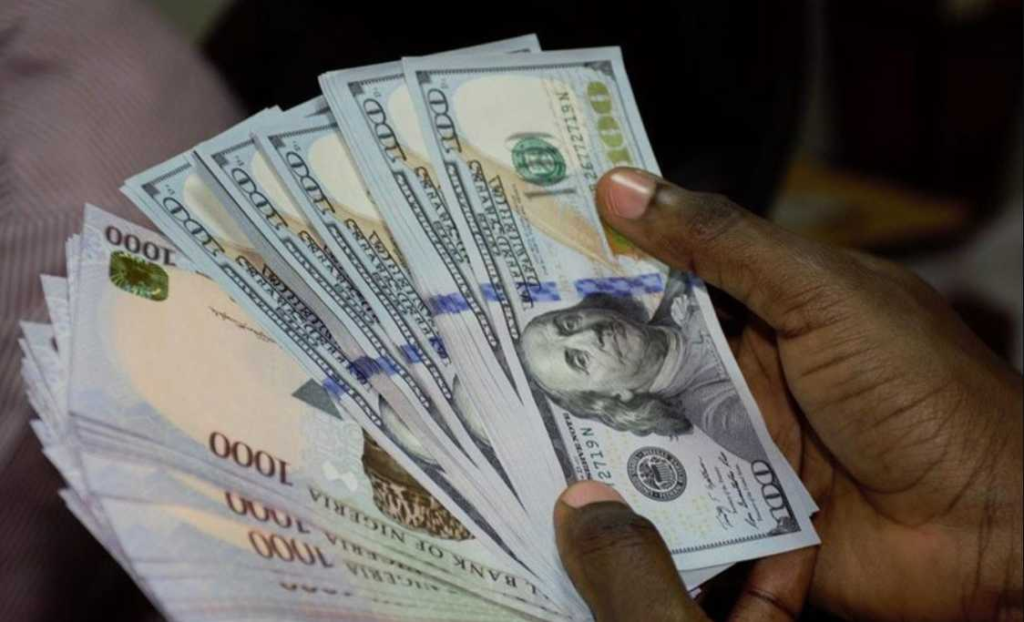
In a groundbreaking development aimed at reducing Africa’s dependency on foreign currencies, Nigeria and other African countries have taken a significant step towards achieving financial sovereignty. This move comes in the wake of a long-standing challenge faced by many African nations — their reliance on the U.S. dollar for cross-border payments, foreign trade, and debt servicing.
The dollar’s dominance has placed African economies in a vulnerable position, perpetuating financial dependence on Western nations. The dollar continues to dictate the pricing of critical imports, including pharmaceuticals and wheat, and influences global trade, as nearly all African nations settle transactions using the dollar. According to the International Monetary Fund (IMF), the dollar accounted for 57.4% of global foreign exchange reserves in Q3 2024, and a staggering 88% of global currency exchanges involve the dollar.
Africa’s Dollar Dependency Crisis
For years, African nations have faced significant economic pressure due to fluctuations in the dollar, especially in terms of public debt and economic growth. Countries such as Nigeria, Ghana, Egypt, and Kenya have all experienced the negative impacts of a dollar-dominated global trade system. In Nigeria, the government’s efforts to stabilize the naira in 2023 cost billions, yet the currency still depreciated by 40%. Ghana, too, witnessed a nearly 30% depreciation of the cedi, triggering a debt crisis. Similarly, Egypt’s currency struggles have led to soaring inflation, with rates exceeding 30%.
Furthermore, the IMF reports that in sub-Saharan Africa, 40% of public debt is external, and over 60% of that debt is denominated in dollars. This exposes African economies to the full brunt of dollar volatility, exacerbating economic fragility across the continent.
Afreximbank Launches the Pan-African Payment and Settlement System (PAPSSCARD)
To counteract these issues, Africa has moved towards financial independence with the introduction of the Pan-African Payment and Settlement System (PAPSSCARD). This new payment card, launched at the 32nd Annual Meetings of the African Export-Import Bank (Afreximbank) in Abuja, Nigeria, is the first of its kind on the continent. It is a collaborative effort between Afreximbank, the Pan-African Payment and Settlement System (PAPSS), and Mercury Payment Services (MPS), designed to facilitate fast, secure, and cost-effective retail transactions across African borders.
The PAPSSCARD is set to drastically reduce Africa’s reliance on foreign payment systems, providing a more localized solution for the continent’s growing financial needs. Currently, African nations rely heavily on global payment systems, which are often inefficient and come with high transaction fees. By processing transactions within the continent, the PAPSSCARD will allow African countries to retain economic value and gain more control over financial data.
Transforming Africa’s Financial Landscape
The new card is more than just a technological advancement — it is seen as a symbol of Africa’s determination to achieve financial self-reliance. Prof. Benedict Oramah, President of Afreximbank, emphasized the importance of the initiative:
“For too long, Africa’s reliance on external payment systems has impeded trade, increased costs, and compromised control over our financial data. PAPSSCARD changes that. It empowers us to move money swiftly, securely, and affordably across our borders.”
According to Mike Ogbalu III, CEO of PAPSS, the card is a powerful step towards empowering African economies, calling it a “practical, home-grown solution” that reflects the realities of how Africa trades and grows.
Muzaffer Khokhar, Executive Chairman of Mercury, echoed these sentiments, highlighting the card as a significant milestone in Africa’s journey towards financial sovereignty. He believes that PAPSSCARD will become Africa’s most trusted payment brand.
A Broad-Ranging Impact
The PAPSSCARD is expected to benefit a wide range of users, from governments and banks to merchants and individual consumers. John Bosco Sebabi, Acting CEO of PAPSSCARD, highlighted its potential to drive down transaction costs for public institutions, foster financial sector innovation, and improve access to modern, secure payment tools across Africa. The roll-out is being supported by strategic partners, including Bank of Kigali, I&M Bank Rwanda, and Unified Payments in Nigeria, ensuring widespread adoption across the continent.
This initiative aligns with Afreximbank’s broader goal of enhancing financial inclusion and boosting intra-African trade under the African Continental Free Trade Area (AfCFTA) framework. The introduction of the PAPSSCARD is seen as a pivotal step toward a more self-sustaining African economy, helping to deepen economic integration across the continent.
Calls for Domestic Capital Deployment
During the Afreximbank meetings, African policymakers and experts also highlighted the need for Africa and the Caribbean to unlock and deploy $4 trillion in domestic capital for infrastructure development and economic transformation. These funds, often trapped in local pensions, reserves, and sovereign wealth funds, could drive much-needed economic growth and infrastructure projects, but lack the appropriate regulatory frameworks to be effectively mobilized.
Arnold Ekpe, Chairman of BCA and former CEO of Ecobank, emphasized the challenge of capital movement across the continent. He noted that it is “easier to travel within Africa on a European passport than an African one,” reflecting the bureaucratic barriers hindering the movement of capital within the continent.
Conclusion: Shaping Africa’s Future
With the PAPSSCARD and the ongoing push for domestic capital mobilization, Africa is taking the necessary steps to create a more resilient and self-sufficient financial ecosystem. George Elombi, newly appointed President of Afreximbank, has pledged to prioritize the transformation of Africa’s trade structure, focusing on critical infrastructure like export processing zones and seaport terminals.
In his inaugural speech, Elombi said, “When that is done, our continent will be transformed.” His vision is clear: Africa must overcome its financial challenges and position itself as an economic powerhouse capable of competing on the global stage.
SEO Keywords: