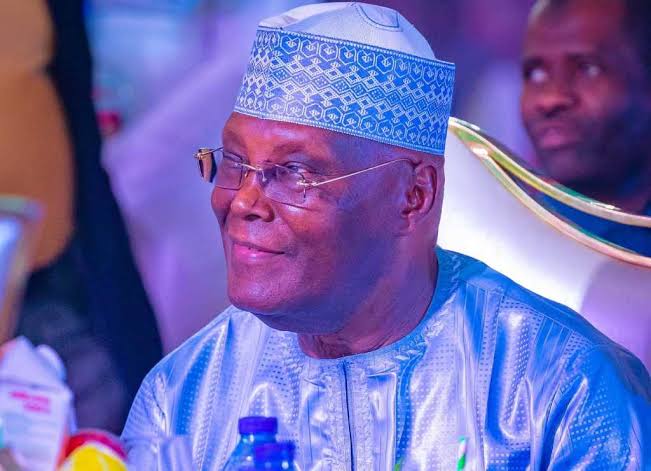
In the months following his defeat in Nigeria’s 2023 presidential election, former Vice President Atiku Abubakar has continued to publicly challenge President Bola Ahmed Tinubu’s policies, leading some analysts to suggest that his motives may be driven more by political rivalry than constructive criticism. Atiku, who has unsuccessfully run for the presidency six times, has positioned his alternative proposals as superior to Tinubu’s, despite their rejection by voters in the last election.
Atiku’s recent commentary, titled “What We Would Have Done Differently,” contrasts his hypothetical economic agenda with the Tinubu administration’s current reform programs. However, supporters of the president argue that Atiku’s critiques lack a grounded understanding of Nigeria’s pressing economic realities. They maintain that Tinubu’s reforms—including subsidy removal and targeted social intervention—are necessary steps to address longstanding structural issues inherited from the People’s Democratic Party (PDP), which governed Nigeria for 16 years.
Critics argue that Atiku’s approach indicates a disconnect from the urgency required in addressing Nigeria’s economic challenges. In his outline, Atiku suggests a consultation period upon assuming office. However, political observers highlight that Tinubu took a different approach, implementing reforms immediately, including the removal of fuel subsidies and reallocation of funds toward infrastructure and social programs.
In response to Atiku’s claims that the presidency was “stolen” from him, political commentators have pointed to his past record, noting that Atiku’s attempts to circumvent the PDP’s power rotation arrangement ultimately hindered his political standing. They suggest that his critique of Tinubu is rooted in a sense of entitlement, which led him to overlook the voters’ choice.
The Tinubu administration has faced a challenging economic landscape, marked by a heavily subsidized fuel market and dwindling government revenues. According to recent reports, fuel subsidies were costing the Nigerian government N3.36 trillion until June 2023, despite projected oil revenues of only N2.23 trillion for the year. With the subsidy burden removed, the government anticipates N5.4 trillion in savings for 2024, which is being directed towards critical infrastructure projects and social programs designed to enhance the quality of life for Nigerians.
While Atiku’s critiques remain a focal point for his supporters, political analysts suggest that his proposed lengthy consultations and potential privatisation agenda might not have provided the immediate solutions required by Nigeria’s current economic climate. Tinubu’s administration continues to push forward with its reform agenda, stating that these initiatives are essential for revitalizing the economy and ensuring sustainable growth.