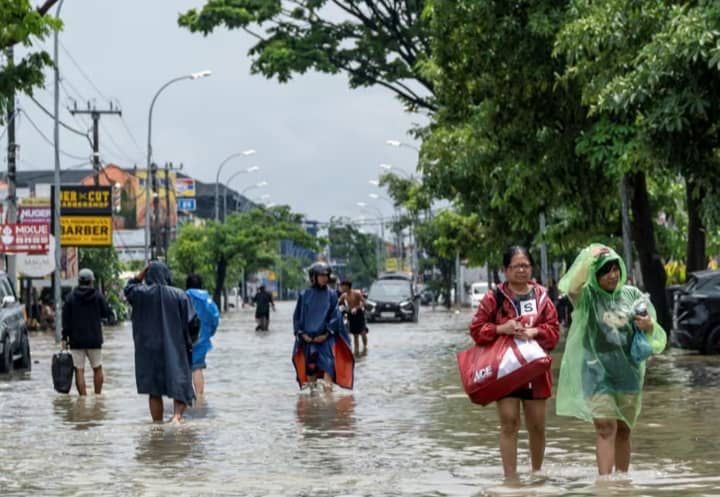
The government of Bali has announced a halt to the construction of new hotels, restaurants, and other commercial facilities on agricultural land following devastating floods that killed at least 18 people earlier this month.
The September 10 floods, the worst the island has seen in over a decade, swept through villages, destroyed infrastructure, and reignited debate over the environmental toll of mass tourism on Indonesia’s most popular holiday destination.
Under the new regulations, authorities will no longer issue permits for developments on productive rice fields and farmland. The move is part of Bali’s 100-year sustainability plan, aimed at protecting the island’s fragile ecosystem from unchecked construction, pollution, and overdevelopment.
Officials and environmental experts have long warned that the rapid conversion of rice paddies into hotels and resorts has weakened natural water absorption, leaving communities increasingly vulnerable to flooding. Intensifying rainfall linked to climate change has worsened the impact.
“The overexploitation of land for tourism has reached a critical point,” local environmental groups said, welcoming the government’s decision as a step toward balancing economic growth with ecological preservation.
While the ban is expected to safeguard Bali’s agricultural heritage and strengthen climate resilience, it may also face resistance from investors and tourism operators who have profited from the island’s booming hospitality sector.
Bali, which attracts millions of visitors annually, remains heavily reliant on tourism for its economy. The new policy underscores the urgent challenge of maintaining that lifeline without sacrificing the environment and communities that sustain it.