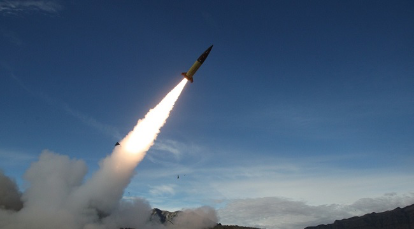
In a landmark decision, U.S. President Joe Biden has approved Ukraine’s use of American-made long-range missiles to strike military targets inside Russia, a U.S. official confirmed Sunday. The shift in policy follows increasing tensions, including reports of North Korean troops reinforcing Moscow’s efforts in the ongoing war.
The Army Tactical Missile System (ATACMS), capable of striking targets deep within Russian territory, has long been sought by Ukrainian President Volodymyr Zelensky. The U.S. decision marks a significant escalation, with officials linking the policy change to North Korea’s deployment of soldiers to support Russia.
Polish Foreign Minister Radoslaw Sikorski welcomed the decision, stating on social media, “President Biden responded in a language that [Russian President] Vladimir Putin understands.” Sikorski emphasized that Ukraine has the right to defend itself against aggression.
Russia’s Massive Missile Barrage
The announcement came hours after Russia unleashed a devastating missile and drone attack on Ukraine’s power grid, killing 19 civilians, including a child, and plunging the nation further into an energy crisis as winter looms. The strikes, which targeted regions from Kyiv to the western borders, were described as one of the war’s largest assaults, involving 120 missiles and nearly 100 drones.
Ukraine has imposed nationwide emergency power restrictions, with state energy provider Ukrenergo warning of potential widespread outages. President Zelensky condemned the attacks, accusing Moscow of attempting to “terrorize civilians” while appealing for stronger international support.
Global Condemnation and International Tensions
The international response to Russia’s barrage was swift. UN Secretary-General António Guterres and EU Commission President Ursula von der Leyen denounced the attacks, emphasizing solidarity with Ukraine. “We will stand by Ukraine for as long as it takes,” von der Leyen said, labeling the assault on civilian infrastructure as “horrible.”
Meanwhile, German Chancellor Olaf Scholz defended his recent call with Putin, urging an end to the war, though critics, including Ukraine and Poland, dismissed the effort as appeasement. Ukrainian Foreign Minister Andriy Sybiga described the missile strikes as Putin’s “true response” to diplomatic overtures, calling for “peace through strength.”
Polish Prime Minister Donald Tusk echoed the sentiment, asserting, “No one will stop Putin with phone calls.” French President Emmanuel Macron added from Argentina, “Putin does not want peace.”
North Korea’s Role and NATO Mobilization
The involvement of North Korean troops in Russia’s war effort has heightened global alarm. Western officials estimate thousands of North Korean soldiers are stationed in Russia, including near the border regions of Belgorod and Kursk. Ukrainian drone strikes in these areas reportedly killed two civilians, including a local journalist, according to Russian authorities.
Poland, a NATO member, scrambled fighter jets and mobilized forces near its border following a Russian strike that killed a civilian close to Polish territory. The escalation underscored growing fears of spillover into neighboring nations.
A Difficult Winter Ahead
As the war approaches its 1,000th day, Ukraine braces for what Zelensky has warned could be its most challenging winter yet. Previous Russian attacks have already destroyed half of the country’s energy production capacity, and the latest onslaught has compounded the strain on civilians and infrastructure.
The conflict continues to shape global geopolitics, with Biden’s ATACMS decision signaling a deepening U.S. commitment to Ukraine. However, with Moscow’s advances in the east and uncertainty surrounding future American leadership, fears persist over the war’s trajectory and potential for further escalation.
