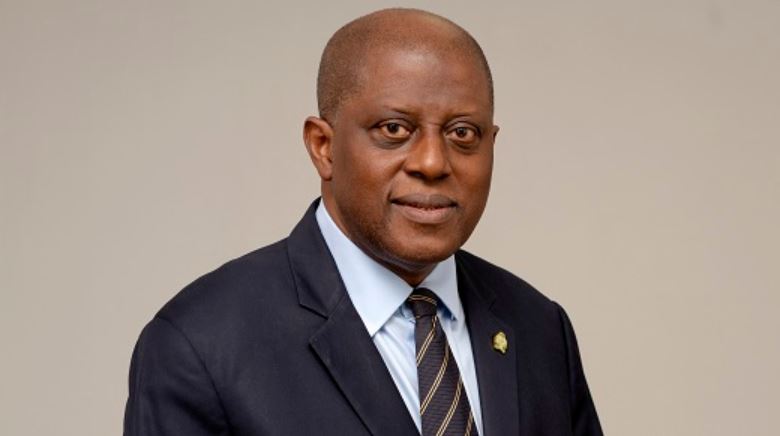
The Central Bank of Nigeria (CBN) has launched three new initiatives aimed at driving financial inclusion in Nigeria. Announced at the second edition of the International Financial Inclusion Conference (IFIC) in Lagos, the programs focus on expanding access to financial services for underserved groups, particularly women, youth, and small businesses. This year’s event, themed “Inclusive Growth: Harnessing Inclusion for Economic Development,” brought together key players in Nigeria’s financial ecosystem, including regulators, service providers, and development partners.
The CBN unveiled the following initiatives:
1. Women Financial Inclusion Dashboard: This tool enables regulators and policymakers to identify and address gender disparities in financial access.
2. Women Entrepreneurs Finance Code: Designed to improve financing for women-owned Micro, Small, and Medium Enterprises (MSMEs), this platform aims to reshape the financial landscape for female entrepreneurs globally.
3. Roadmap for Financial Inclusion of Forcibly Displaced Persons (FDPs): This initiative seeks to assist FDPs in overcoming financial barriers, providing them with access to essential services and opportunities for economic independence through a collaborative effort involving government agencies, financial institutions, and non-governmental organizations.
CBN Governor Olayemi Cardoso explained that new minimum capital requirements for banks are part of the strategy to increase financial inclusion. “This strategic move ensures that banks are well-capitalized, enabling them to take on greater risk, particularly in underserved markets,” said Cardoso. He emphasized that with a stronger capital base, banks can extend more loans and financial services to MSMEs, rural communities, and other vulnerable segments. According to Cardoso, this approach not only enhances financial stability but also drives job creation and technological investment crucial to expanding digital financial services such as mobile money and agent banking.
Dr. Ndiame Diop, World Bank Country Director for Nigeria, highlighted the organization’s commitment to working with the CBN on three fronts: improving payment systems, enhancing microfinance regulation, and strengthening consumer protection. Diop noted, “The persistence of transaction failures—40% of which remained unresolved in 2023—affects citizens and businesses alike. A well-regulated microfinance sector is essential to facilitate full participation in the financial sector.”
Representing Lagos State Governor Babajide Sanwo-Olu, Deputy Governor Obafemi Hamzat reinforced the importance of Nigeria’s $1 trillion economy goal, announced by President Bola Tinubu, in supporting financial inclusion. “We must ensure that Nigeria’s economic basket is bigger,” Hamzat said. “Financial inclusion must be built on a foundation that includes everyone, ensuring technology is implemented with respect for cultural and societal values.”
CBN Deputy Governor Philip Ikeazor stressed the importance of collaboration to achieve the country’s 95% financial inclusion target, which he said requires support from government agencies, financial institutions, and civil society. “Financial inclusion is not only about economic empowerment; it’s about creating opportunities and ensuring that no Nigerian is left behind in the quest for prosperity,” Ikeazor concluded.
The IFIC served as a platform for stakeholders to discuss challenges, propose solutions, and strategize toward an inclusive financial system that promotes growth for all Nigerians.
