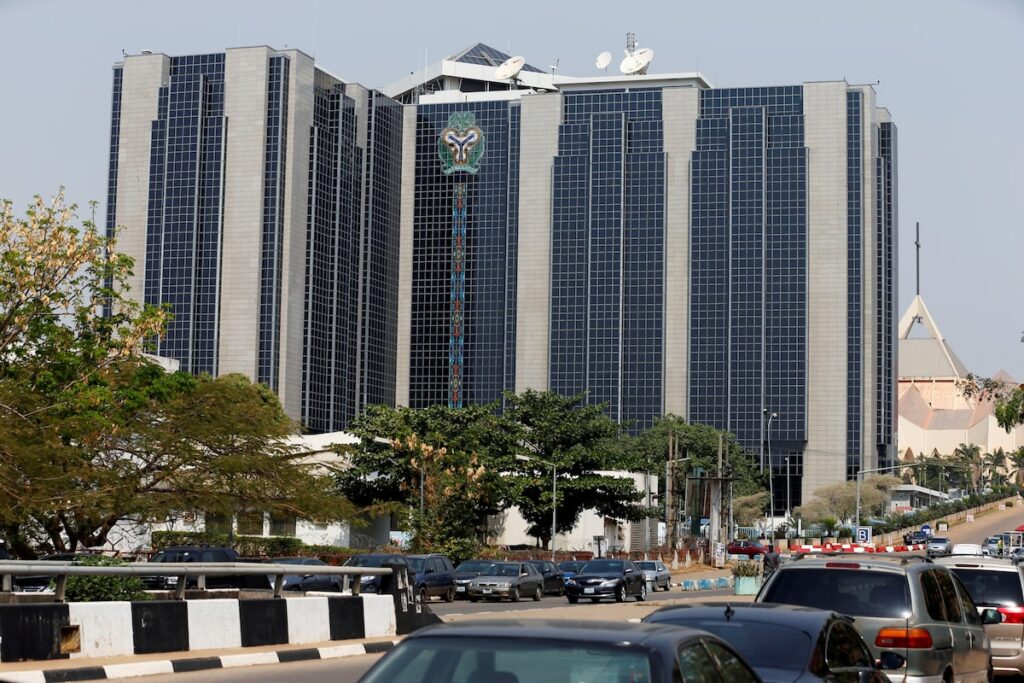
The Governor of the Central Bank of Nigeria (CBN), Mr. Olayemi Cardoso, has defended the recent decision to raise the Monetary Policy Rate (MPR) to 27.25%, asserting that the move is essential for controlling inflation and managing excess money circulation. This announcement was made in a press statement released by the apex bank on Sunday.
In an address at the Harvard Club of Nigeria over the weekend, Cardoso acknowledged the challenges this decision poses for borrowers but emphasized its importance for the nation’s economic stability. “Our decision to raise the Monetary Policy Rate to 27.25% was a bold move. Higher interest rates, while painful for borrowers, are necessary to curb excess money in circulation and control inflation. Leadership is about making hard choices to secure long-term stability over short-term comfort in moments like these,” he stated.
Reflecting on his first year as CBN governor, Cardoso underscored the bank’s commitment to its core objectives, including containing inflation, restoring credibility, and building public trust in the financial system, which he believes is critical for any meaningful recovery.
Cardoso also highlighted the introduction of the Electronic Foreign Exchange Matching System as a vital initiative aimed at enhancing transparency and restoring market confidence. “Trust is the currency of central banking. If the public loses trust in the institution, the efficacy of its policies diminishes. Our decision to implement the Electronic Foreign Exchange Matching System is rooted in this understanding,” he said. “By enhancing transparency and providing more accurate oversight of forex transactions, we send a strong signal that the CBN is serious about fair and efficient markets.”
The CBN governor revisited the bank’s controversial decision to float the naira, which faced significant public criticism. Cardoso explained that the move was necessary to align the official exchange rate with market realities and reduce speculative trading. He expressed confidence that this decision has begun stabilizing currency markets and curtailing speculative activities.
While acknowledging that the CBN has yet to fully achieve its inflation targets, Cardoso remains optimistic. He referenced recent reports from the National Bureau of Statistics (NBS), which indicate a decline in inflation rates during July and August 2024. “Our policies are gradually steering the economy in the right direction,” he remarked, despite the challenges that persist.
As the CBN navigates these complex economic waters, Cardoso’s commitment to transparency and stability will be critical in restoring confidence in Nigeria’s financial system and guiding the nation towards sustainable economic growth.
